Summary
Join us of our first gathering of Forest Talks, where we talk story about the animals and plants who live in our native ʻōhiʻa forests. We're super excited to welcome Dr. Norine Yeung as our first guest to talk story about kāhuli, some of the rarest animals on earth--often called "jewels of the forest."
 |
LET’S TALK SNAILS! 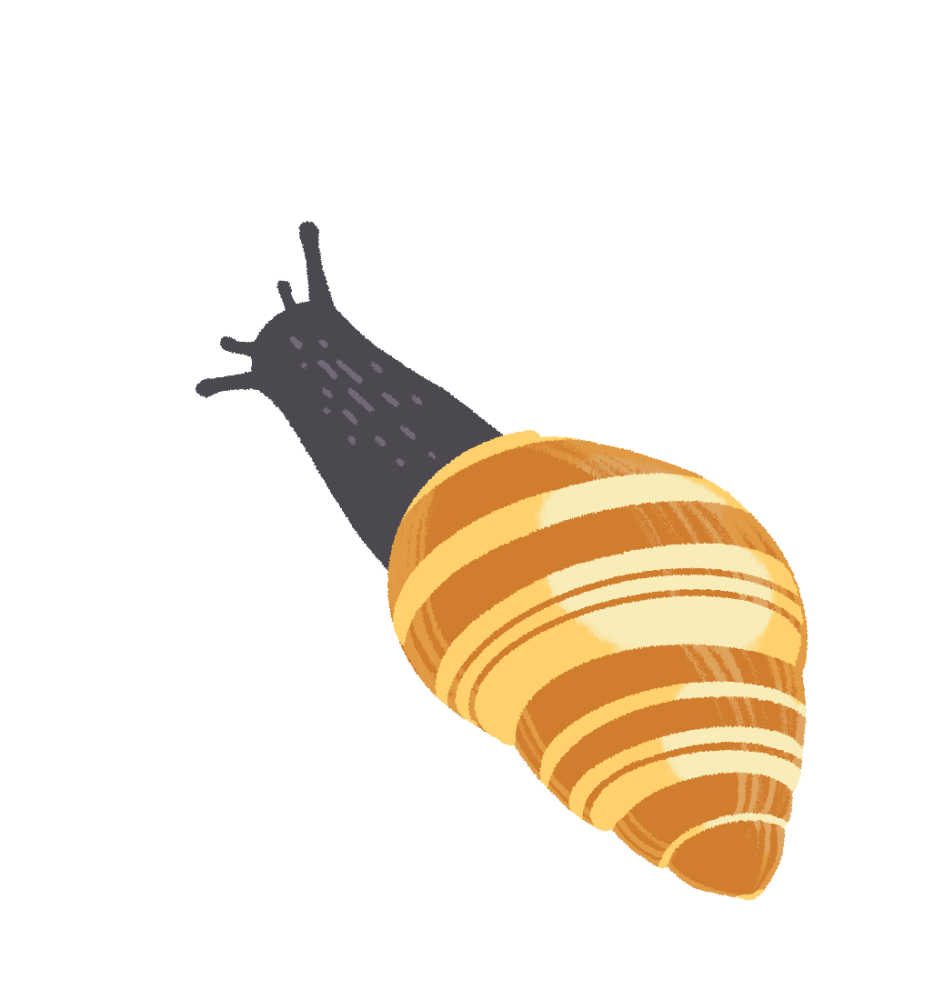 Join us of our first (virtual) gathering of Forest Talks, where we talk story about the animals and plants who live in our native ʻōhiʻa forests. We’re super excited to welcome Dr. Norine Yeung as our first guest to talk story about kāhuli, some of the rarest animals on earth–often called “jewels of the forest.” Topic: Kāhuli. Native land snails. When: Tuesday, March 4th at 2:00 p.m. Who: Norine Yeung, PhD, Malacology Curator, Bishop Museum. Where: Zoom. Reservations required. Register here. There were once roughly 750 species of kāhuli, or Hawaiian land snails, across our islands, found here and nowhere else in the world. Our kāhuli are both ecologically important (as cleaners of fungus and bacteria from our native plants) and culturally important, as they are featured in Native Hawaiian mele, hula, oli, and lei. Sadly, of the roughly 750 species once found across the Hawaiian Islands, approximately 60% have gone extinct. Our remaining kāhuli face serious threats including invasive species predation, habitat loss, and climate change. Itʻs estimated 100 or more species may go extinct in the next 5 to 10 years. Norine Yeung, PhD, is a malacologist with Bishop Museum. The good news is she and her colleagues have re-discovered more than 200 species of Hawaiian land snails that were once thought extinct. Join us on via Zoom on Tuesday, March 4th at 2:00 p.m. to learn more about kāhuli from Dr. Yeung. Bring your questions! Want to learn a bit more in advance: Bishop Museum Malacology Division of Forestry and Wildlife: Year of the Kāhuli Registration required. Register here! |
 |
| Forest Journalers: Get to Know Kāhuli! Join us as we chat with Dr. Yeung on Tuesday, March 4, 2025 at 2:00 p.m. to learn more about native tree snails of Hawai’i–and their role in our native ʻōhiʻa forests. Register here.But thereʻs no need to wait to start journaling about kāhuli. Here are some ideas on how to get started now: Read more here and, then, write a haiku about/to kāhuli. Watch this video and try your hand at drawing kāhuli. Join us on our next Forest Journaling adventure in Kokeʻe onWednesday, March 12. Sign up here. |