Summary
Welcome to the Invasive Informant, sponsored by Kauaʻi Invasive Species Committee. KISC works across Kauaʻi to prevent, control, or eliminate the most threatening invasive plant and animal species in order to preserve Kauaʻi’s native biodiversity and minimize adverse ecological, agricultural, economical, and cultural impacts.
This month, we celebrate ʻŌhiʻa Love Fest.
‘Ōhiʻa are friendly trees. They get along with just about every other living species, allowing for a wealth of biodiversity. When you find yourself surrounded by ʻōhiʻa, youʻre likely surrounded by a myriad of other native plants from lichen and mosses and ferns that grow directly on ʻōhiʻa, as well as, other canopy trees, understory plants, and ground cover.
When planting ʻōhiʻa, itʻs good to think like a forest. Group ʻōhiʻa with other native plants in three levels.
Ferns make great ground cover. Kupukupu love the sun and grow up to two feet tall with sword-like fronds. Palapalai can grow to three feet and definitely like a bit of protection from sun and wind.
The next level—shapely shrubs. ʻĀkia will grow to four feet as a nice hedge. ʻUlei tends to sprawl across the ground in heights of one to two feet. And mamaki can grow up to 15 feet. All three mid-layer shrubs are fairly hardy and can tolerate full to partial sun.
At the canopy level, ʻōhiʻa pairs nicely with any of the native hibiscus like Kauaiʻs own kokiʻo keʻokeʻo with fragrant white blossoms growing up to seven inches long and five inches wide. Another striking tree is loulu, the only palm genus native to Hawaii. Louli can grow up to 120 feet and, depending on the species, thrive in full sun to partial shade.
Planting a mini forest in your yard can even provide nourishment to native insects and, perhaps, one day welcome home na manu nahele, our forest birds, to a place they once inhabited.
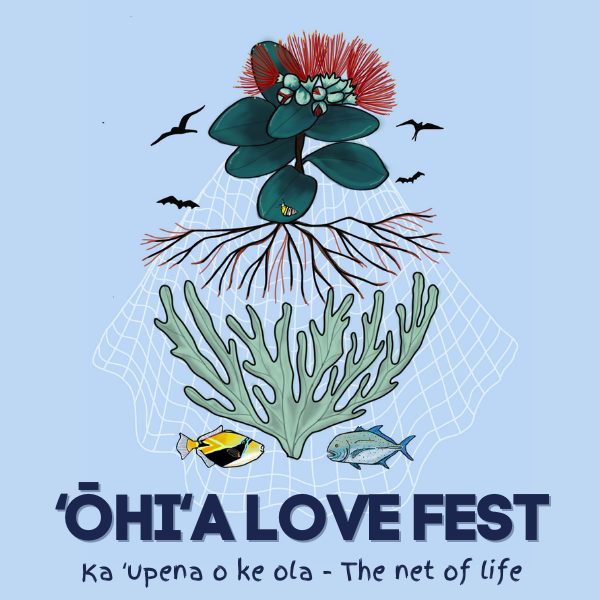
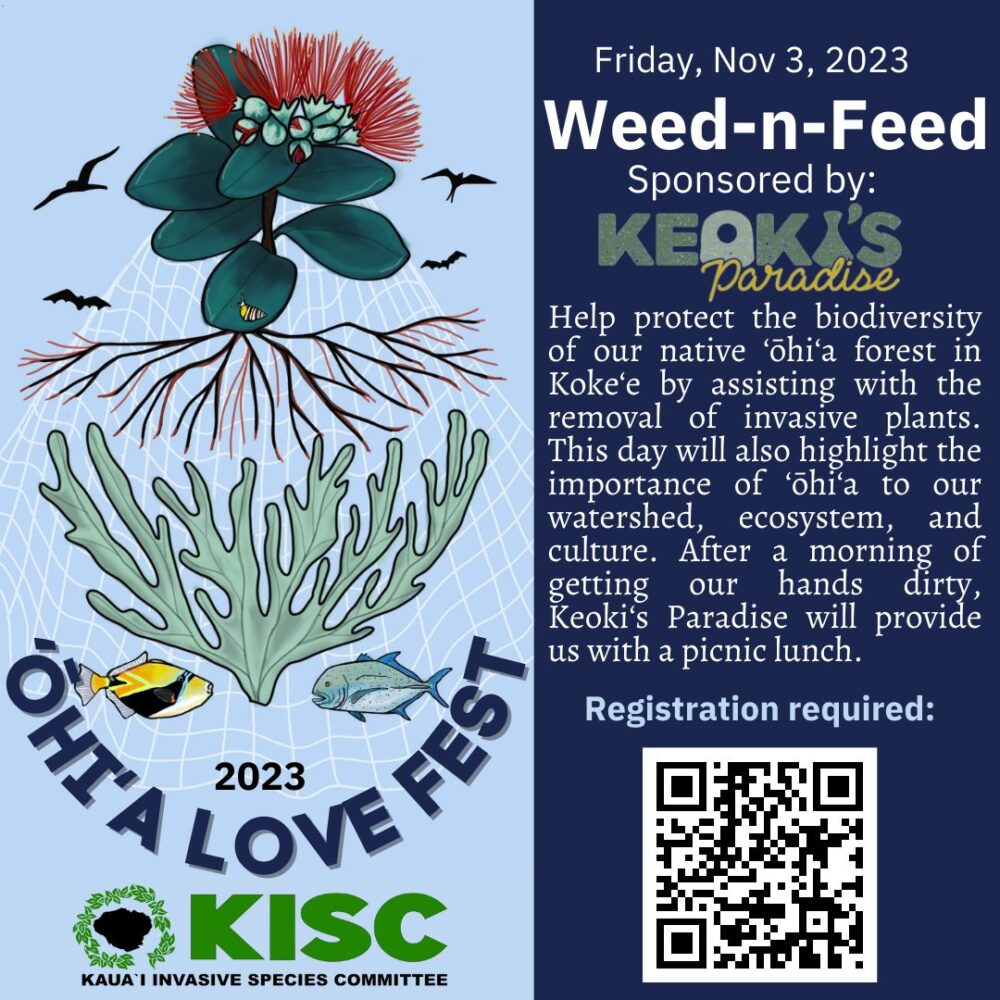
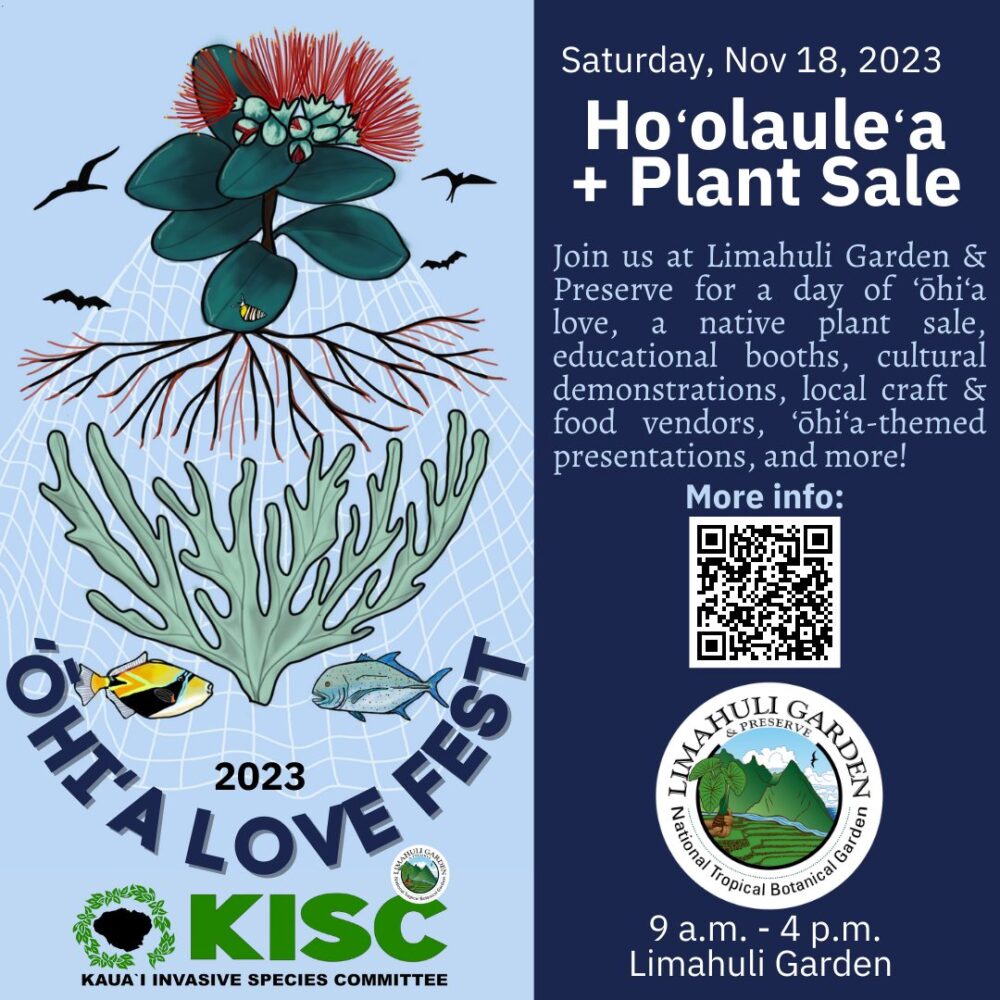
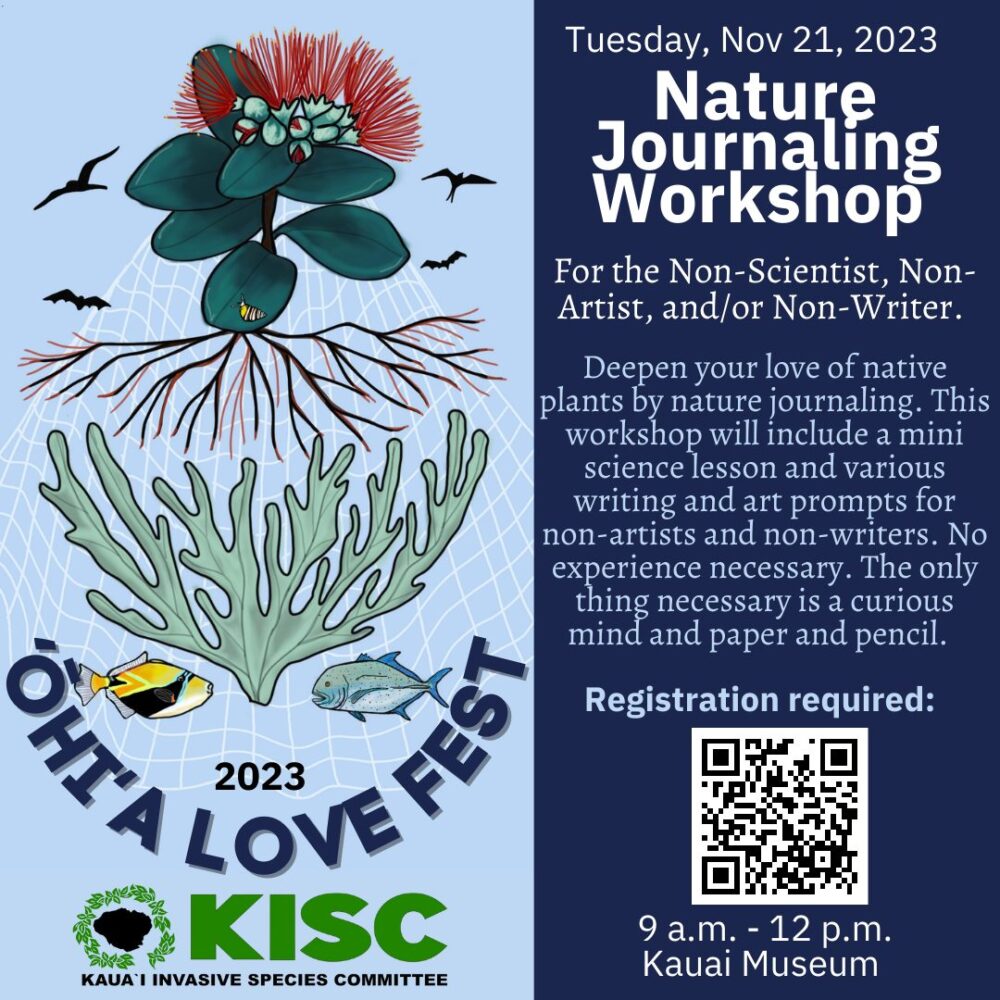
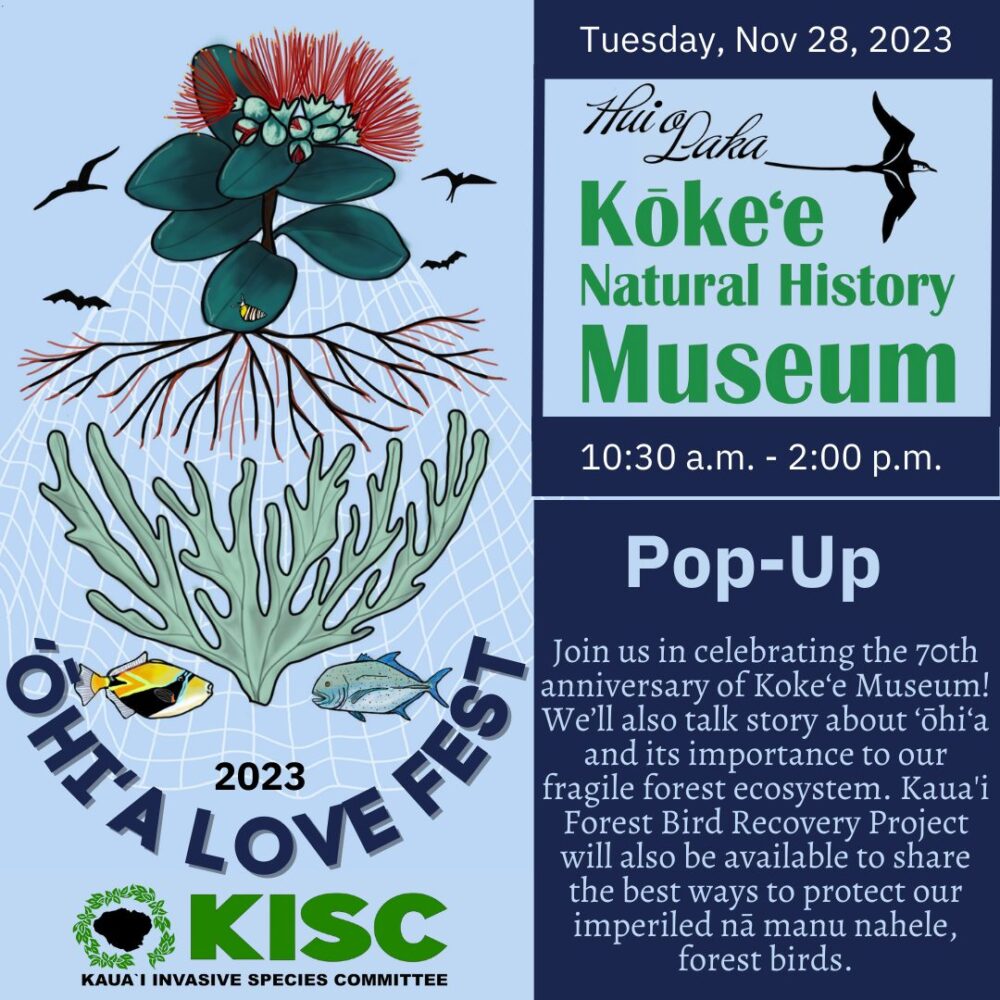
This November, we celebrate ʻōhiʻa as part of a month-long celebration known as ʻŌhiʻa Love Fest with these activities around Kauaʻi.