ʻIkeʻike one kani aʻo Nōhili
Hauʻoli Mahina Lāʻau Hawaiʻi, Happy Native Hawaiian Plant Month!
This month, in honor of our Lāʻau Hawaiʻi and Merrie Monarch, we will be highlighting native plants mentioned in mele. Mele often convey feelings deeper than the literal translations. These songs transcend time by transporting us to events of years past and teasing the senses, whether it’s describing a cool breeze or the sweet smell of Maile, mele are beautiful ways to connect and understand how our Kupuna admired our Lāʻau Hawaiʻi.
This week we look at the famous song `Ike Ike one kani a`o Nōhili which originally is a chant but has been also presented as a mele. This oli has been presented as mele by popular artists like Keauhou linked below. Although it is listed as Nōhili, their version incorporates more modern olioli or sing-song type melodies with some verses in a more traditional oli style accompanied by ʻiliʻili, rocks. This mele talks about landmarks as well as plants of the area. Starting off strong in the first verse
`Ike ʻike one kani a`o Nōhili
Me ka pahapaha lei a`o Polihale
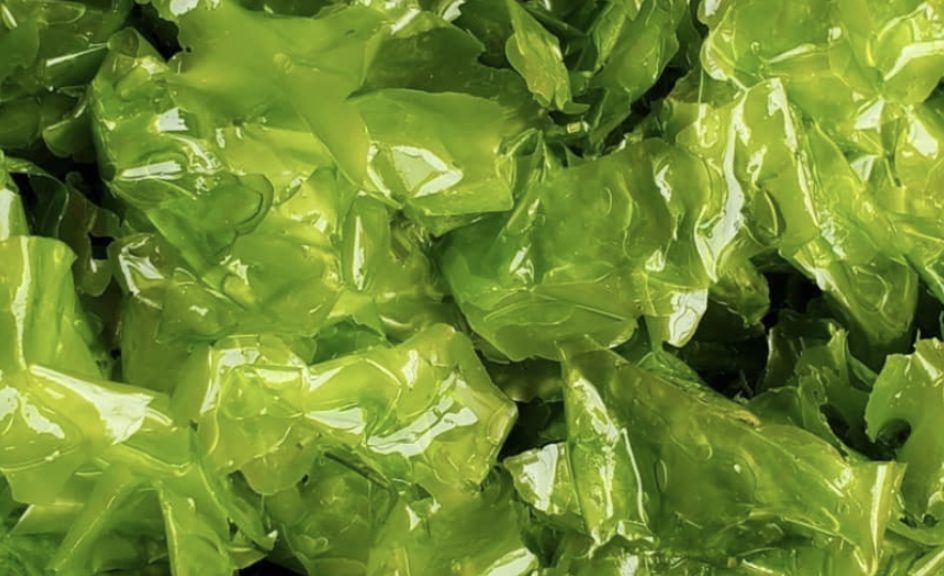
There is a mention of a type of limu, seaweed native to Hawaii called Pahapaha. Some sources believe the closest more abundant relative to this species is limu Palahalaha. This limu is no longer found at Polihale. Palahalaha limu is a green limu meaning they are a bioindicator for a constant fresh water source. Without fresh water, green limu won’t be able to grow. Today if you visit Polihale there aren’t any streams or springs openly flowing to the ocean which may be a hint as to why this legendary limu is no longer found along the shores
In the second verse
`Ike i ka wai `ula a`o Mānā
Na niu e hola`i o Kaunalewa
The artist speaks about the heat mirage at Mānā as well as the coconut groves of Kaunalewa. If you were to drive to this area of the island, you can still see this heat mirage especially in the summer time, however there are no longer groves of coconut to offer respite from the unforgiving heat. These mele are time capsules of stories and lived experiences from our kupuna. What I find most fascinating about looking into mele is seeing a world our kupuna lived in which wells up questions about how land has changed over the years. We have the ability to listen to these mele at the tips of our fingers through streaming platforms but how many of us are reflecting on how land changes but more importantly, asking questions about how we can reshape the future so we may one day see similar conditions of our kupuna.
Nōhili Medley by Keauhou : https://open.spotify.com/track/2PQtyWUok9hX1JwLSDRAKx?si=b39471901bb54407
| `Ike i ke one kani a`o Nōhili Me ka pahapaha lei a`o Polihale `Ike i ka wai `ula a`o Mänä Na niu e hola`i o Kaunalewa Pa iho ka makani la he Kiu `Ike `ia e ka noe la i Ni`ihau Ho`ohaehae ana i ka näulu Ka makani Mikioi la o Lehua Püpü-kani-oe ko Kaua`i Künihi Hä`upu `au i ke kai Ha`ina `ia mai ana ka puana Mokihana e ka pua la i `oi a`e | See the sounding sand of Nohili And the sea lettuce for lei of Polihale See the red water of Mänä The coco palms poised aloft at Kaunlewa When the “Spy” wind blows Seen is the mist of Ni`ihau Stirring up sudden showers is The wind “Neat” of Lehua The land shell is Kaua`i’s Steep Hāʻupu juts into the sea The story is told Mokihana flower is choice |
Lyrics from Huapala.com