E Pili Mai
This month, in honor of our Lāʻau Hawaiʻi and Merrie Monarch, we will be highlighting native plants mentioned in mele. Mele often convey feelings deeper than the literal translations. These songs transcend time by transporting us to events of years past and teasing the senses, whether it’s describing a cool breeze or the sweet smell of Maile, mele are magical ways to connect and understand how our Kupuna admired our Lāʻau Hawaiʻi.
This week takes us to Hāʻena Kauaʻi, E pili mai lyrics by Larry Lindsey Kimura, music by Cyril Pahinui. This love song is a beloved classic, often danced at weddings. In Verse 2, Stanza 2,
Inā ʻo ʻoe aʻo au
ʻIke i ke ahi o Makana
He makana ia na ke aloha
No nā kau a kau
ʻO ʻoe aʻo au
Sweetheart mine
E pili mai
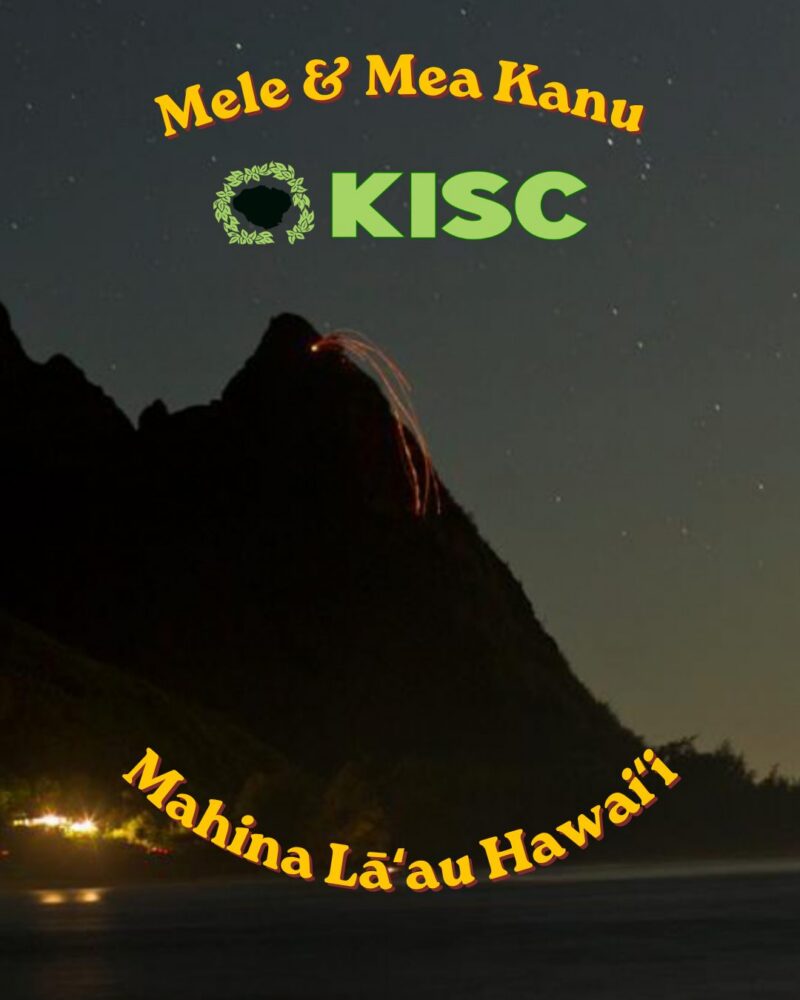
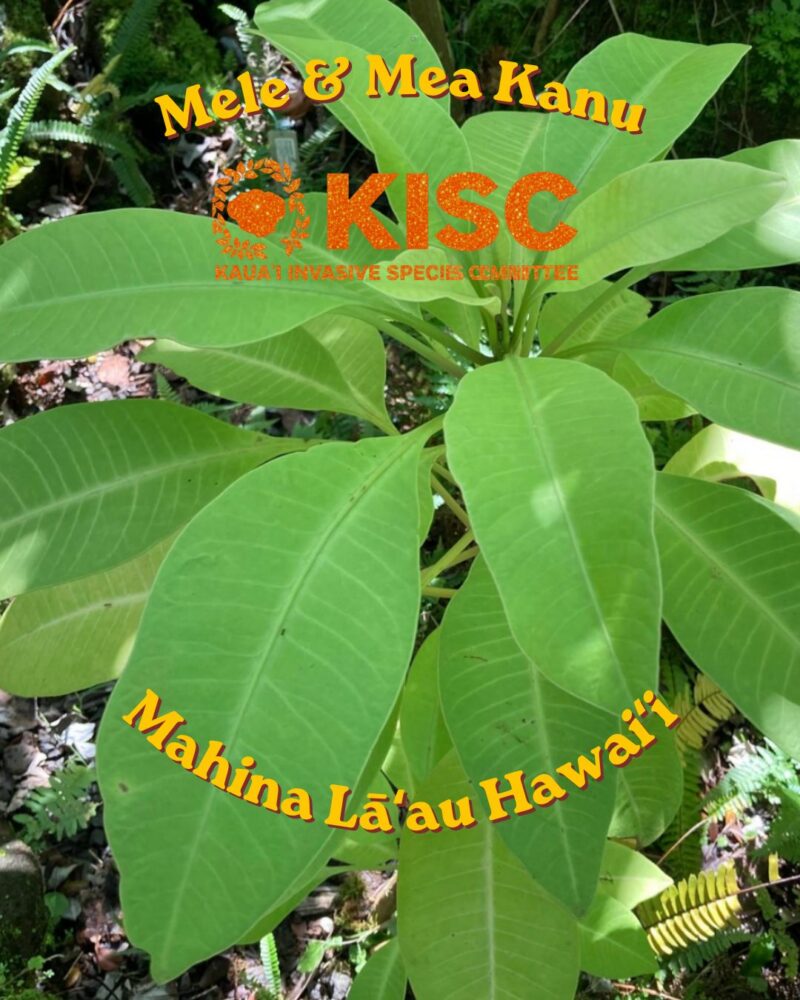
Fires of Makana references the famed cliff at Hāʻena, Kauaʻi, where firebrands were hurled at night. The firebrands were made of small logs of hau or pāpala wood, sometimes wrapped with hau, carried up the cliff, set on fire and thrown from the cliff usually on a moonless night. The ʻōahi, supported by wind currents, would swirl over the ocean leaving trails of embers. This spectacle also entailed brave souls catching a firebrand before it touched the ground and burning the arm with it, as proof of going to Kauaʻi and/or confessing love for someone. This practice is often associated with Hāʻena and mount Makana, but it was also observed in the Nūʻalolo area on Nā Pali at mount Kamaile. Pāpala is the highlighted plant in this song as it is the primary plant used to create the beautiful light shows described in this mele. Pāpala was once abundant in Limahuli valley and there have been recent efforts to replant and restore the valley with abundance of Pāpala. National Tropical Botanical Gardens : Has a great series to help viewers learn about all sorts of native plant growing techniques. Check out the link below to their youtube page to learn about their efforts and all of the native plants they grow in Limahuli Garden.
E Pili Mai by Kealiʻi Reichel : https://open.spotify.com/track/3MfmJt7KY3k48HLxpM6LLJ?si=aa2c27f066424c45
| ʻAuhea wale ana ʻoe Kuʻu lei o ka pō Pō anu hoʻokahi nō au Sweetheart mine E pili mai Inā ʻo ʻoe aʻo au ʻIke i ke ahi o Makana He makana ia na ke aloha No nā kau a kau ʻO ʻoe aʻo au Sweetheart mine E pili mai | Where are you My sweetheart of the night The night is cold and I am alone Sweetheart mine Come to me If you and I are together We’ll know the fires of Makana It would be a gift given of love For all time You and I Sweetheart mine Come to me |
Lyrics from Huapala.com