Nā Hala o Nāue
Hauʻoli Mahina Lāʻau Hawaiʻi, Happy Native Hawaiian Plant Month!
This month, in honor of our Lāʻau Hawaiʻi and Merrie Monarch, we will be highlighting native plants mentioned in mele. Mele often convey feelings deeper than the literal translations. These songs transcend time and space by captivating the senses through mele and poetry, whether it’s describing a cool breeze or the sweet smell of Maile, mele are magical ways to connect and understand how our Kupuna admired our Lāʻau Hawaiʻi.
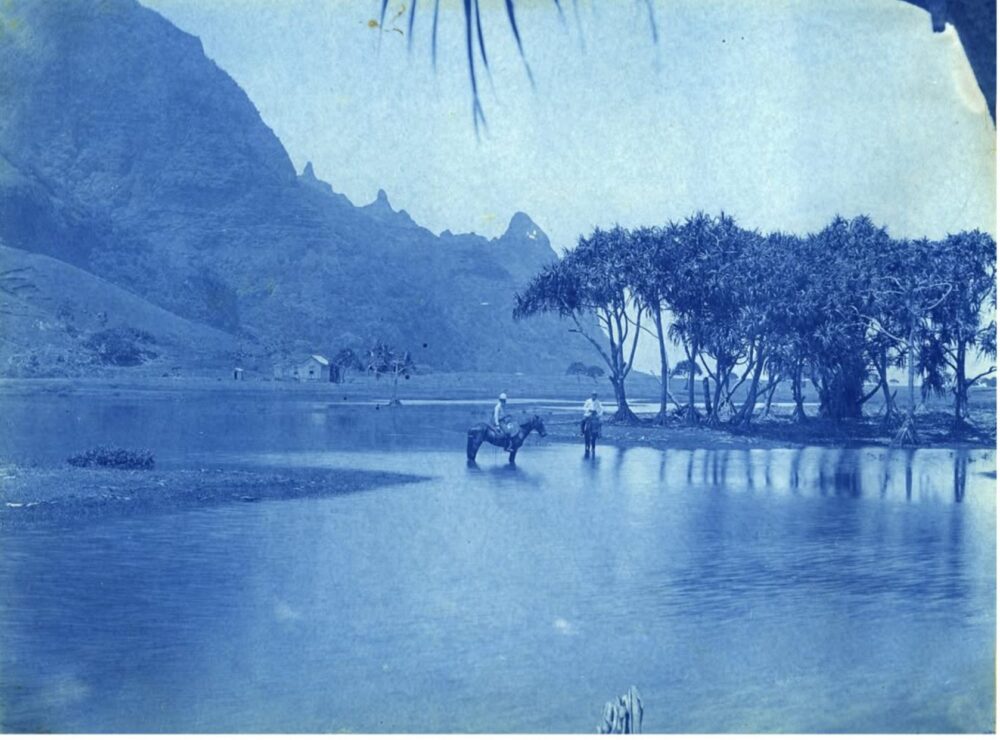
This week we look at the famous song Nā Hala O Naue, the Hala of Naue. written by Charles E. King – This mele honors Kaleleonālani, the name taken by Queen Emma after the deaths of her son Prince Albert in 1862, and her husband, King Kamehameha IV in 1863. The mele praise the trees, flowers, birds and places was a way of honoring a beloved person.The Hono bays in verse 8 are the 6 Maui bays that begin with the name Hono ruled by Maui Chief Piʻilani. It’s interesting to note that in this mele the term Hono is used for bay versus Hana, which is more commonly used on Kauaʻi. The first two verses of the song speak about the Hala swaying near the sea at Naue in Hāʻena.
Nani wale nā hala ʻeā ʻeā
O Naue i ke kai ʻeā ʻeā
Ke ʻoni aʻela ʻeā ʻeā
Pili mai Hāʻena ʻeā ʻeā.
This area of Hāʻena was known famously for the Hala groves that grew there. Although there are no longer groves of hala, the species is still very prevalent all over that area including on the Hanakāpīʻai trail. When we look at this song, knowing that it references Hala, we can look deeper into that word as well as the uses of that type of lei. Considering this song honors the loss of aliʻi, Hala lei are also often given at hoʻolewa or funerals to honor the passing of loved ones. Hala lei are also sometimes given at graduations signifying a transition period in life not only the passing of it. Lei hala are incredibly difficult and labor intensive lei to make. Receiving one is a sign of great love for the effort it took to make. Let’s look at verses 6 and 7.
Nani wale ka nahele ʻeā ʻeā
I pūia i ke ʻala ʻeā ʻeā
Ke ʻala lauaʻe ʻeā ʻeā
ʻO ka pua mokihana ʻeā ʻeā
This verse mentions the forest drenched in fragrance of Lauaʻe and Mokihana. Yet another indication that this song references Kauaʻi as this island is often praised for having a sweet scent of lauaʻe. For those of us lucky to have smelled Mokihana, it is also an intoxicating aroma to behold.
Nā Hala O Naue by The Kahauanau Trio : https://open.spotify.com/track/3HzBlqdim6ppSSVSNxrwxM?si=c4fa962978104a99
| Nani wale nā hala ʻeā ʻeā O Naue i ke kai ʻeā ʻeā Ke ʻoni aʻela ʻeā ʻeā Pili mai Hāʻena ʻeā ʻeā ʻEna aku nā maka ʻeā ʻeā ʻO nā manu i ka pua ʻeā ʻeā A ʻike i ka lehua ʻeā ʻeā Mikiʻala i laila ʻeā ʻeā I laila nō au ʻeā ʻeā Me ka manaʻo pū ʻeā ʻeā *(Me ka anoi pū) Nani wale ka nahele ʻeā ʻeā I pūia i ke ʻala ʻeā ʻeā Ke ʻala lauaʻe ʻeā ʻeā ʻO ka pua mokihana ʻeā ʻeā ʻOni aku nā Hono ʻeā ʻeā Ka pua o Piʻilani ʻeā ʻeā ʻO koʻu lei ia ʻeā ʻeā ʻO ua laʻi nei ʻeā ʻeā Haʻina ka inoa ʻeā ʻeā ʻO Kaleleonālani ʻeā ʻeā | Beautiful are the pandanus Of Naue by the sea They are swaying Close to Haʻena The eyes of the birds look eagerly At the flowers When they see the lehua They gather there I went there, too In thought * (With my beloved) The forest is beautiful Drenched in fragrance Fragrance of lauaʻe ferns And mokihana berries The Hono bays appear The flowers of Piʻilani She is my lei And regal peace The end of the name song For The-Flight-of-the-Royal-Ones |
Lyrics from Huapala.com