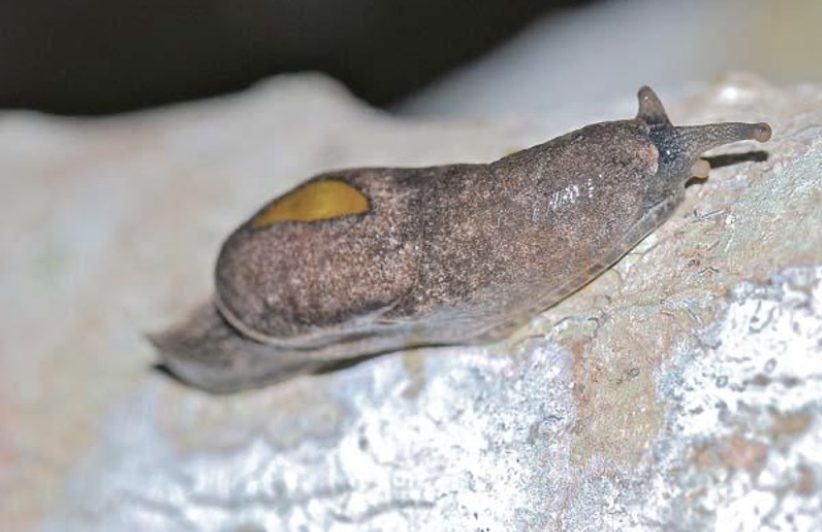
The rat lungworm pathogen has been present in Hawaiʻi for over 50 years, however residents started learning about it for the first time back in 2017. The Rat Lungworm (RLW) pathogen made headlines in local news with 21 reported cases on Hawaiʻi Island and Maui. Kathleen Howe was one of the leading proponents for RLW education and research in Hawaii. Kathleen and her ohana were personally affected by the pathogen when her son succumbed to it. He suffered severe nerve damage which resulted in permanent disabilities caused by the parasite. KISC sat down with Kathleen in 2022 to discuss the latest research on RLW in Hawaii and new efforts to protect others from the debilitating effects of this parasite.
I
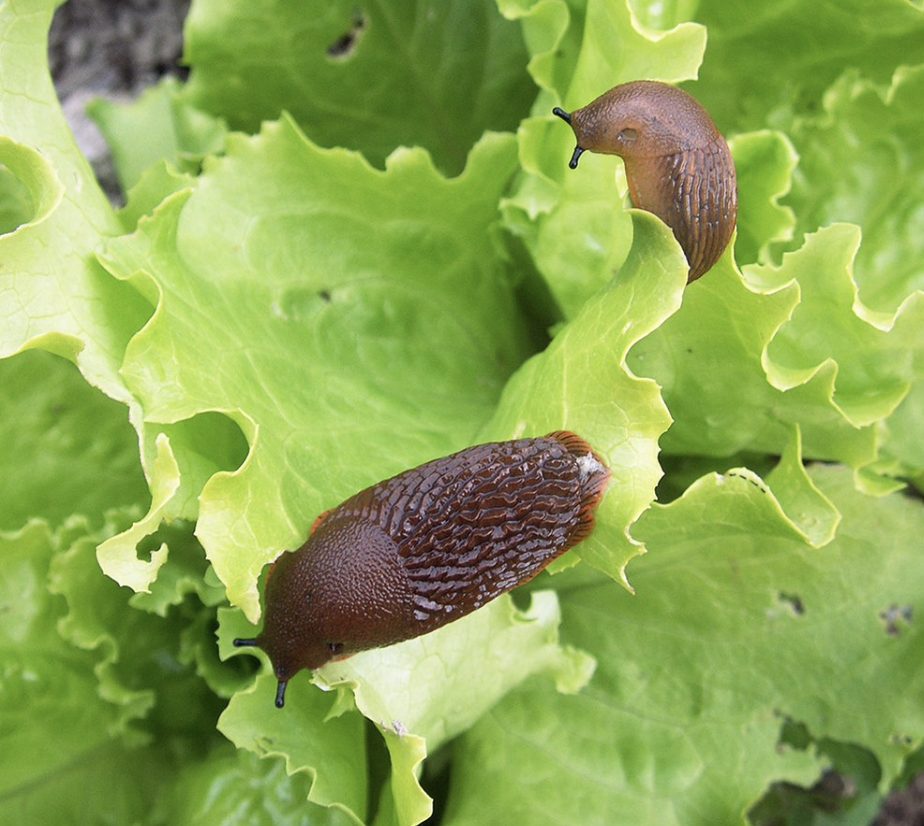
Semislugs, as well as, other land mollusks are known to feed on and hide in produce, especially leafy vegetables. It is advised to thoroughly wash and inspect all fresh grown produce whether it comes from your own garden, farmers market, or local produce section at the supermarket. The parasite enters the human body through the digestive tract and makes its way into the brain and dies. This triggers a rare type of meningitis that causes the lining around the brain to swell and, in some cases, the death of nerve connections. Indicators of RLW range from flu-like symptoms and light sensitivity to nerve damage which can feel like burning under the skin. The only way to get an accurate diagnosis is to perform a spinal tap with a healthcare provider.
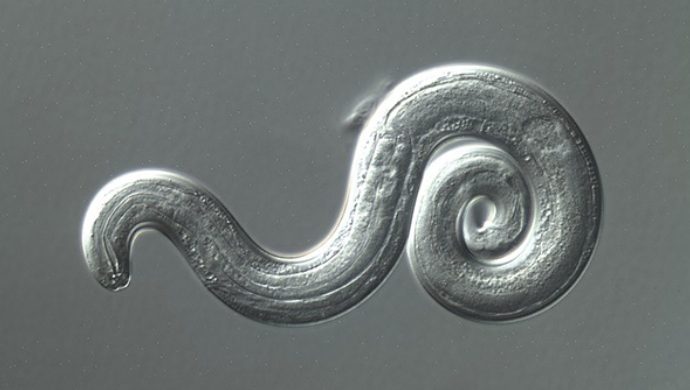
The rat lungworm parasite begins its life cycle in a rat’s lungs. The eggs of the parasite hatch in the lungs and travel to the digestive tract, exiting the body through the rat’s feces. Nearby slugs and snails eat infected excrement, becoming secondary hosts. Other hosts include cane toads, coqui frogs, freshwater shrimp, and centipedes.
In February 2022, Bishop Museum published a survey confirming the presence of rat lungworms in invasive slug and snail hosts on six Hawaiian Islands (excluding Kahoʻolawe and Niʻihau). Norine Yeung, Malacology Curator at the Bishop Museum, was not surprised by the results. “There are over 60 invasive slug and snail species in the state,” she says. “All have the potential to carry rat lungworm. As long as there are rats, slugs, and snails in Hawaiʻi, it is almost certain that the parasite will continue to exist here.”
In 2022, Microbiologist Dr. Kiana Frank shared her ongoing battle living with RLW. She shared her story of survival and discussed the latest science surrounding how this pathogen affects the human body. Watch the full segment here PBS SPECIAL
RLW is still a huge threat to our communities, farmers, and local restaurants. Sourcing local produce to support our local economy and agriculture may seem scary given that RLW is a microscopic threat but rest assured there are ways to reduce the risk
Little Fire Ants Farm More Pests
Little Fire Ants have been found in multiple locations across Kauaʻi. KISC and partners are working hard to control the Moloaʻa infestation and complete the surveys on the recent infestations found in Wailua and ʻŌmao. Little Fire Ants threaten our homes, gardens, and our local farmers due to their painful sting and ability to easily hitchhike around the island.
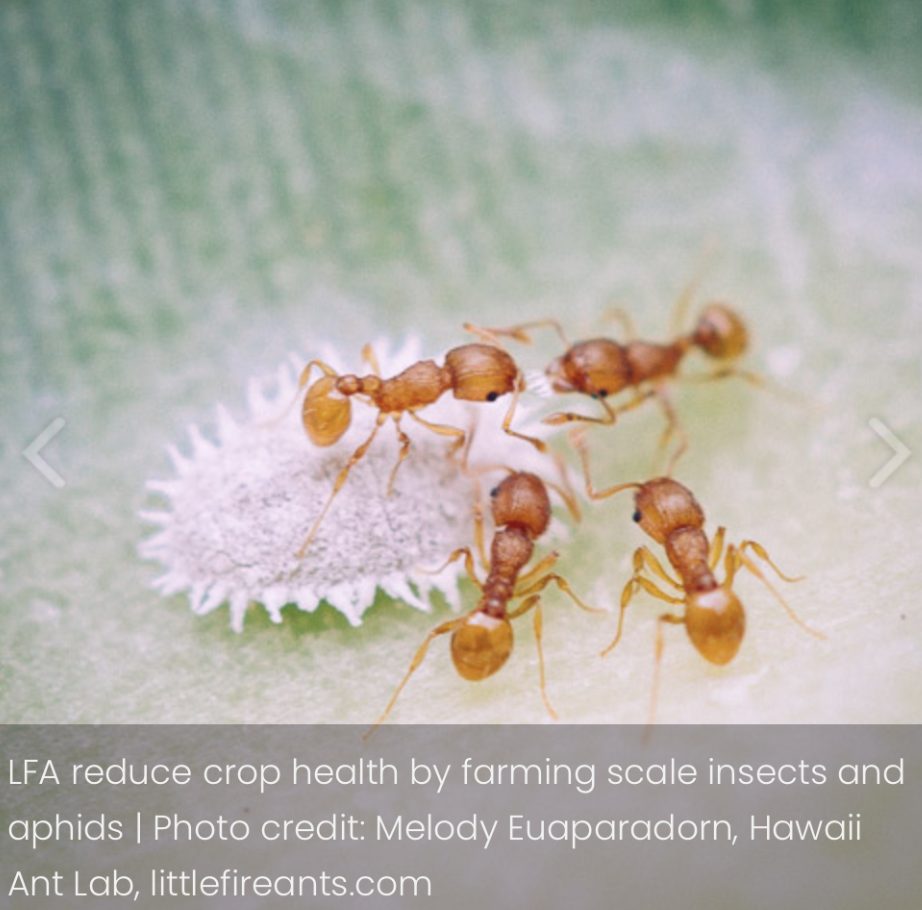
LFA have another impact on our local agriculture. Did you know LFA are farmers themselves? They farm and foster the growth of pests, such as aphids and scale insects, that promote disease and reduce plant health. Many other species of ants also farm aphids. These two species have a special relationship, mutualistic in nature – they each benefit from one another; ants protect aphids and aphids feed ants. Aphids feed their farmer ants a sweet honeydew liquid in exchange for protection from predators. LFA infestations will impact our Kauai’s agriculture community in more than one way.
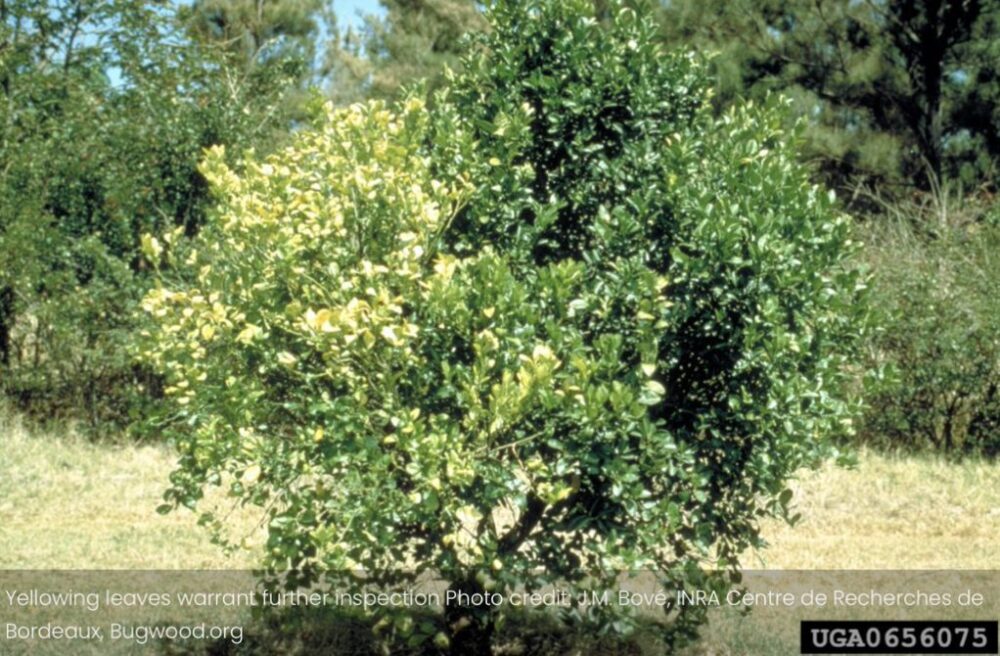
Citrus Greening
Citrus Greening is a pathogenic bacteria that affects the vascular system and nutrient uptake in citrus. While the disease poses no threat to humans or animals, this bacterium is responsible for the loss of millions of acres of citrus in the US and beyond. In 2005, the disease made it to Florida orchards. In the five years that followed, researchers estimated over 8,000 jobs were lost and the economic impact was $4.5 billion. Today, Florida’s citrus industry covers half the acreage it once did.Though not detected in Hawaii, the primary vector, the Asian citrus psyllid, is present. Citrus greening has so far impacted Florida and California agriculture. Throughout the world, the arrival of the Asian citrus psyllid has been followed by the detection of this disease-causing bacteria. This disease reduces the number and quality of fruit and affected trees will eventually die. If you suspect you have seen Citrus Greening, please report it to KISC or 643-PEST.org.
How to prevent RLW for social media posts
- Eliminate hungry rats from your garden or orchard. Set traps (be sure to check them) and remove debris that could be hiding or nesting places for rodents.
- Remove overgrown vegetation, check under potted plants, or use dripline irrigation to reduce habitat. If slugs and snails are present, bait pellets and granules containing metaldehyde or iron phosphate have proven effective in reducing numbers (just make sure pets don’t have access to them).
- In the evening or early morning, pick pests from your garden using disposable gloves or a designated pair of tongs. Drop any plucked pests into a wide-mouthed bottle filled with a 15% salt water solution. After several days, the saltwater will kill the slug and any rat lungworm larvae. Dispose of it in the trash. Other methods to kill both host and parasite are pouring boiling water on collected slugs in a metal pot or freezing them in a sealed bag for 48 hours.
- Rinsing produce under running water and drying is the best way to remove any parasites from your veggies. Boiling, steaming, and sauteeing veggies for at least 3-5 minutes will kill any lingering larvae. Freezing produce for 48 hours is also effective. For fruit or veggies with a peel or rind (think bananas, mangos, pumpkins, etc.), rinse thoroughly before consuming.