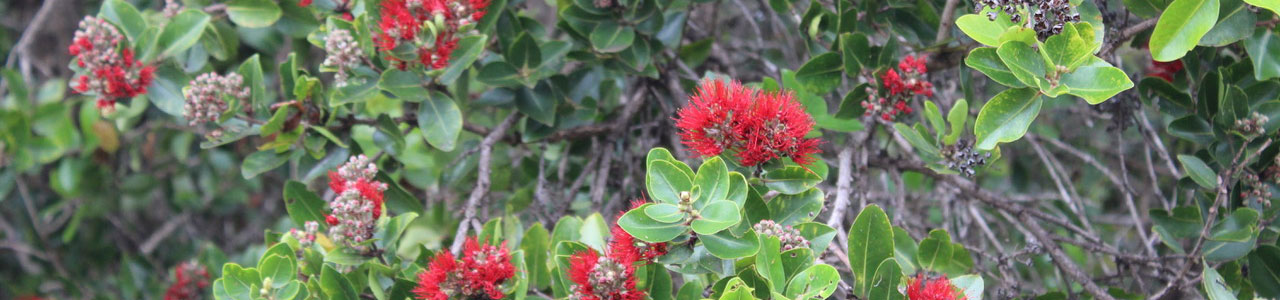
Rapid ʻŌhiʻa Death (ROD)
REPORT IF SEEN: This species is currently controlled by KISC, if you see it please report it.
Rapid ʻŌhiʻa Death
Species: Ceratocystis lukuohia, Ceratocystis huliohia
Family: Ceratocystis
KISC is actively managing this species in partnership with the Kauaʻi Rapid ʻŌhiʻa Death Rapid Response Team. If you suspect an ʻōhiʻa on your property and/or in the forest is exhibiting symptoms consistent with Rapid ʻŌhiʻa Death, please report it immediately by providing photographs of the suspect tree, its exact location, and your contact information to saveohia@hawaii.edu.
Description
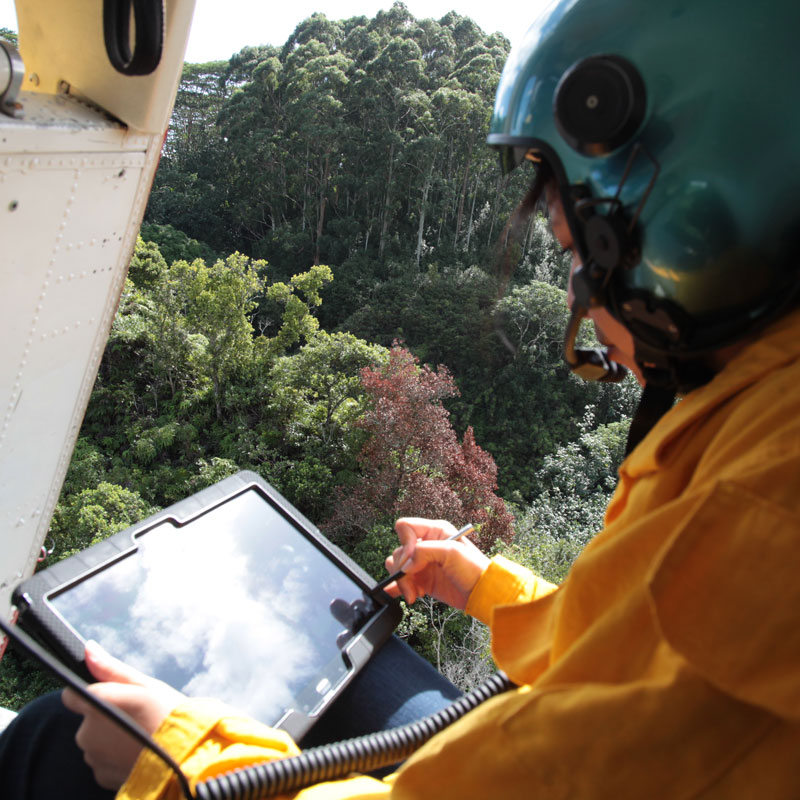
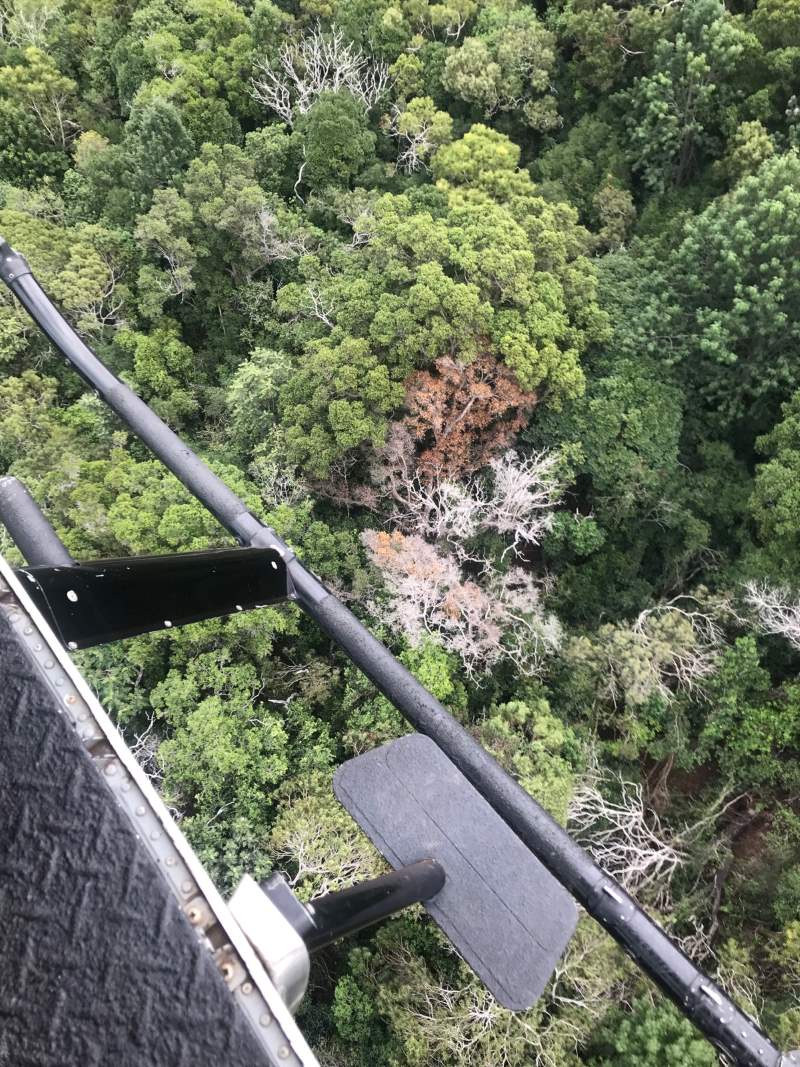
- Leaves on limbs or entire crowns of ‘ōhi‘a trees suddenly turn reddish brown; dead leaves may remain on branches for some time.
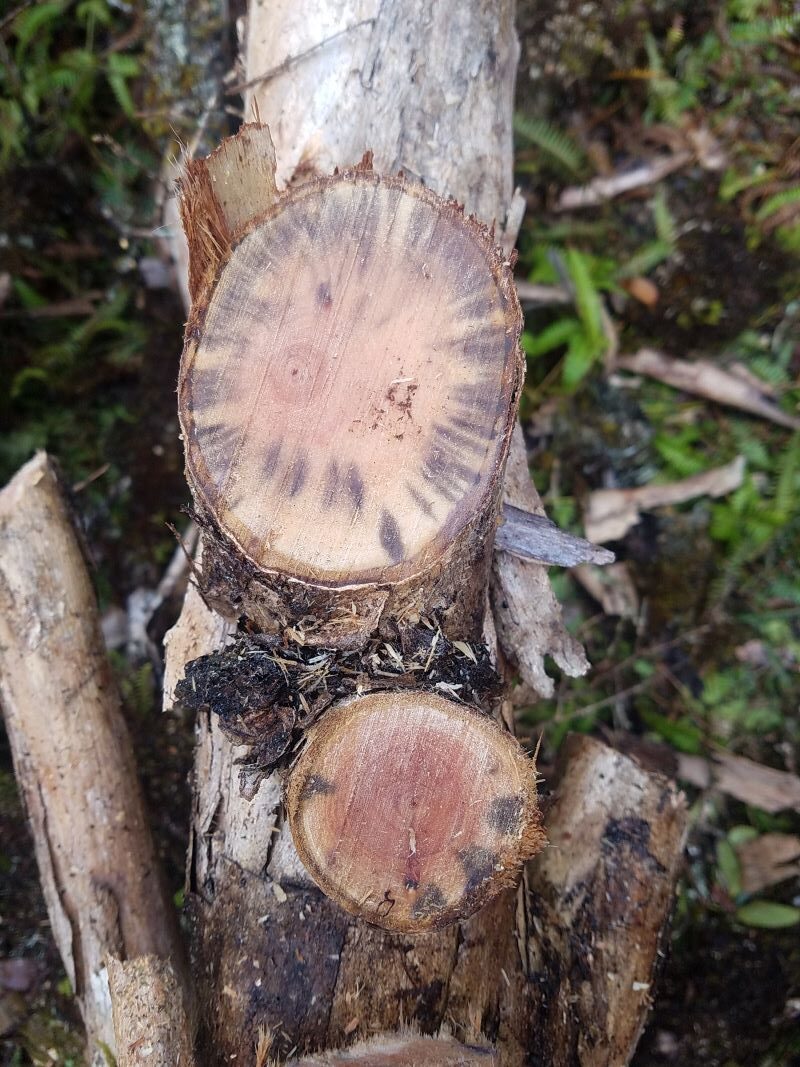
- ROD-causing fungi can’t be seen from the outside; it grows and spreads within a tree for months or longer before the leaves start to wilt and brown.
- To confirm ROD in an ‘ōhi‘a tree, a wood sample must be taken and tested in a lab.
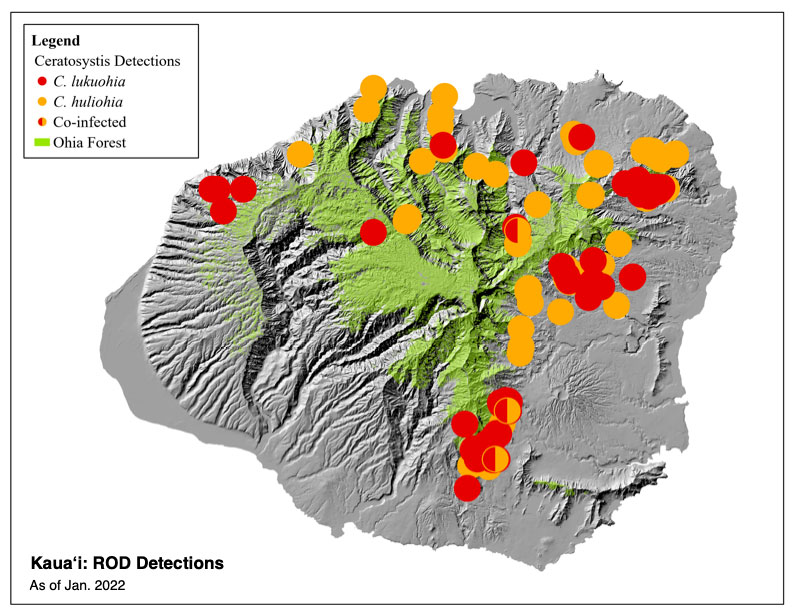
- Two different species fall under the umbrella of Rapid ʻŌhiʻa Death. The entire leaf canopy of ʻōhiʻa infected with Ceratocystis lukuohia (a wilt disease) tend to turn reddish brown all at once; where as the leaves on ʻōhiʻa infected with Ceratocystis huliohia (a canker disease) turn reddish brown a limb or two at a time.
Impacts
- ‘Ōhi‘a is the keystone species of our forests, the single species upon which thousands of other native Hawaiian plants and animals depend on for survival.
- ‘Ōhi‘a has long been recognized as an important component of watershed forests, with the rain and mist soaking into the mosses and other plants growing on ‘ōhi‘a.
- ‘Ōhi‘a forests are the source of water for irrigation for local agriculture, habitat for native stream species, and fresh water for municipal use.
- Traditional Hawaiian perspectives embrace ‘ōhi‘a as a revered kupuna or senior family member, and this high level of respect defines the relationship between ‘ōhi‘a and the Hawaiian people to this day.
- The loss of ʻōhiʻs would be detrimental to our everyday way of life.
- There is currently no known cure for infected ʻōhiʻa, so preventing the spread of this disease is vital.
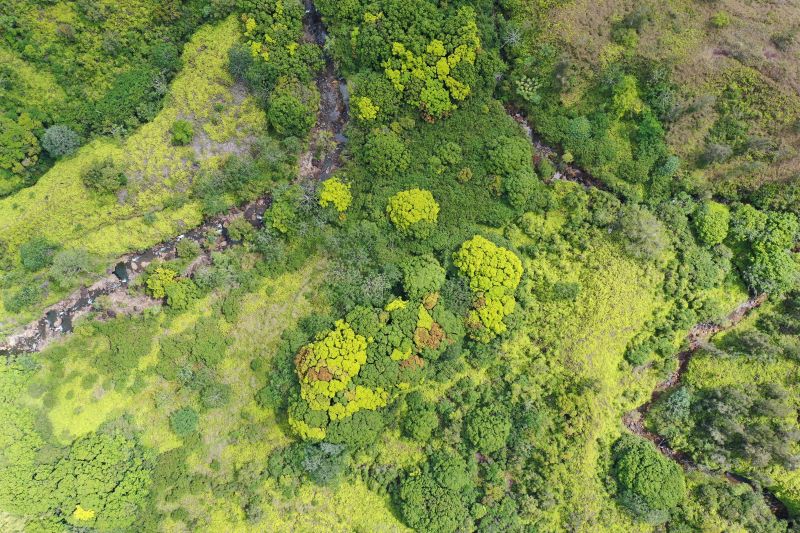
On Kauai
- First detected on Hawaiʻi Island a half-dozen years ago, more than a million ʻōhiʻa on Hawaiʻi island have died from two new fungi, unknown to science before.
- In 2018, the disease was found for the first time on Kauaʻi in the northeast region of the island. Since then, hundreds more ʻōhiʻa have died from the disease throughout all regions of Kauaʻi.
- A tree may be infected for months or longer before symptoms appear.
Quarantine Rule
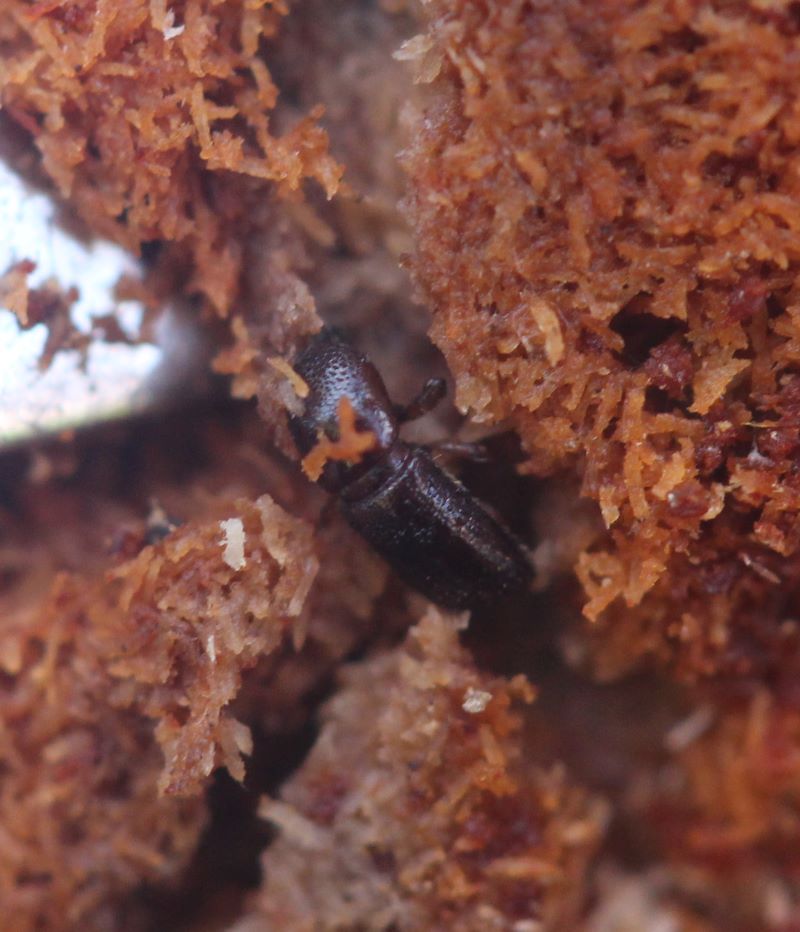
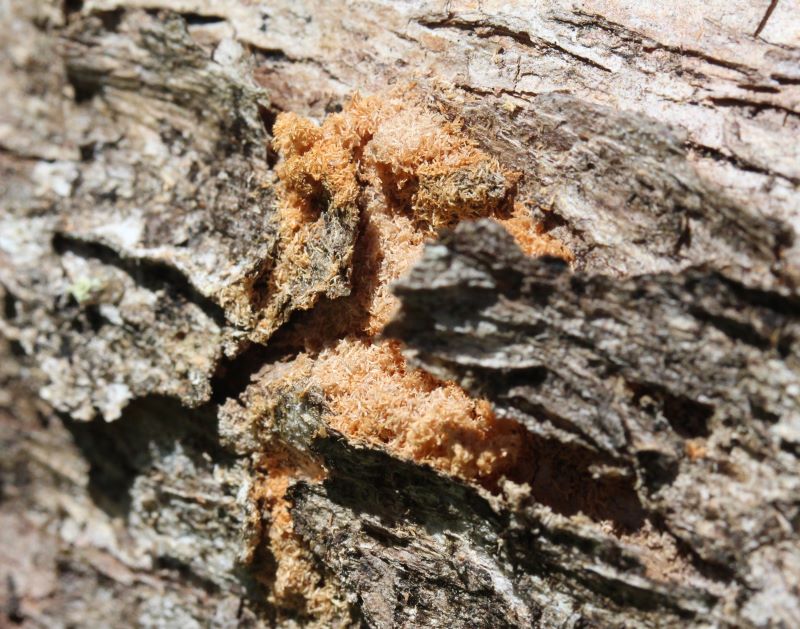
Researchers have learned that tiny ambrosia beetles bore into sick or dead ‘ōhi‘a trees, pushing out infected sawdust which may be able to spread the disease short distances. People could accidentally spread ROD to new areas by moving infected ‘ōhi‘a or soil. The Hawai‘i Department of Agriculture (HDOA) prohibits the transport of high risk items from ROD-infected islands (currently Hawai‘i Island) except by permit from HDOA Plant Quarantine Branch.
Items prohibited from transport from islands with ROD:
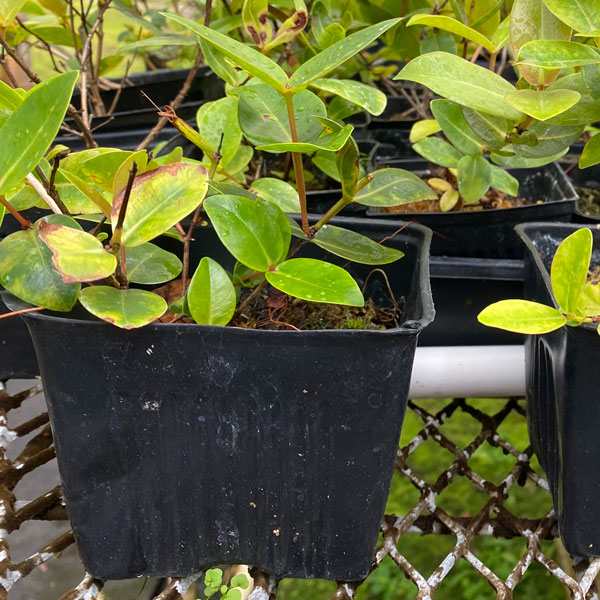
‘Ōhi‘a plants (all Metrosideros spp.)
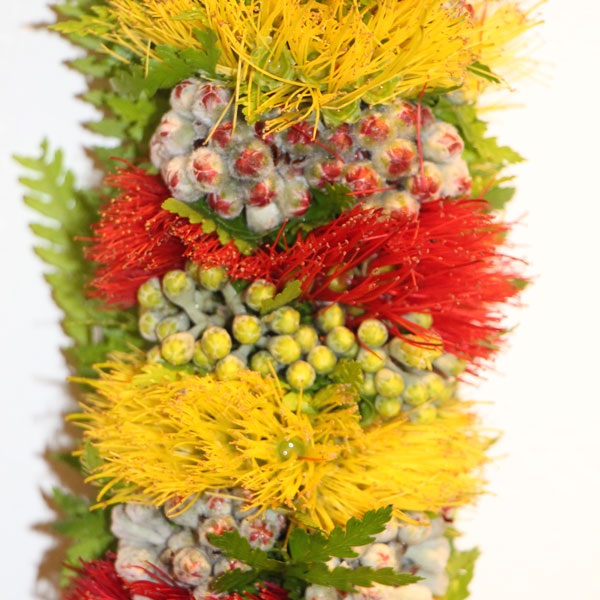
‘Ōhi’a plant parts
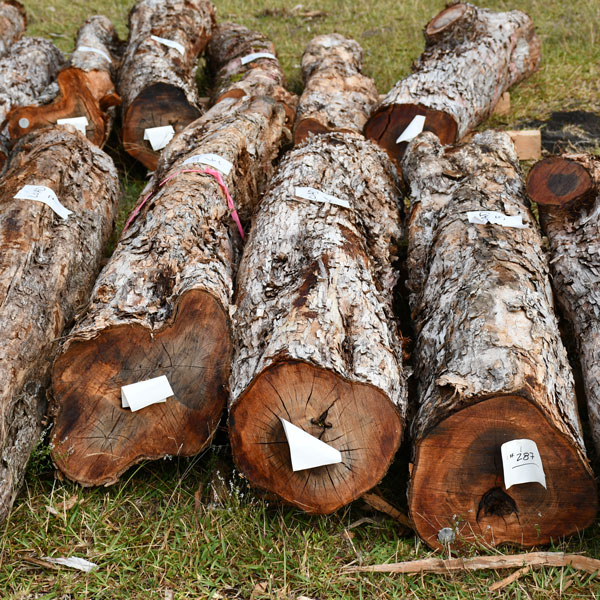
Unfinished ‘ōhi’a logs and wood products
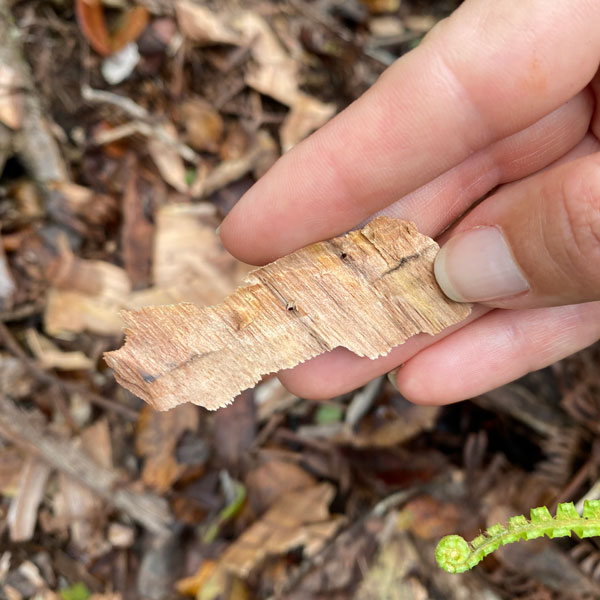
‘Ōhi‘a wood chips, sawdust
Soil
Permits may be issued to move these products if they can be tested and proven to be free of ROD. Visit HDOA.HAWAII.GOV for information.