Miconia
REPORT IF SEEN: This species is currently controlled by KISC, if you see it please report it.
Miconia
Species: Miconia calvescens
Family: Melastomataceae
KISC is actively controlling this species. Sightings of this pest should be reported immediately. If you suspect that you have any of our targets on your property, KISC will survey and if confirmed, will remove it for free.
This plant is considered extremely invasive and is on the Hawaii State Noxious Weed List. The Division of Forestry and Wildlife of the Hawaii Department of Land and Natural Resources has designated this species as one of Hawaii’s Most Invasive Horticultural Plants.
Description
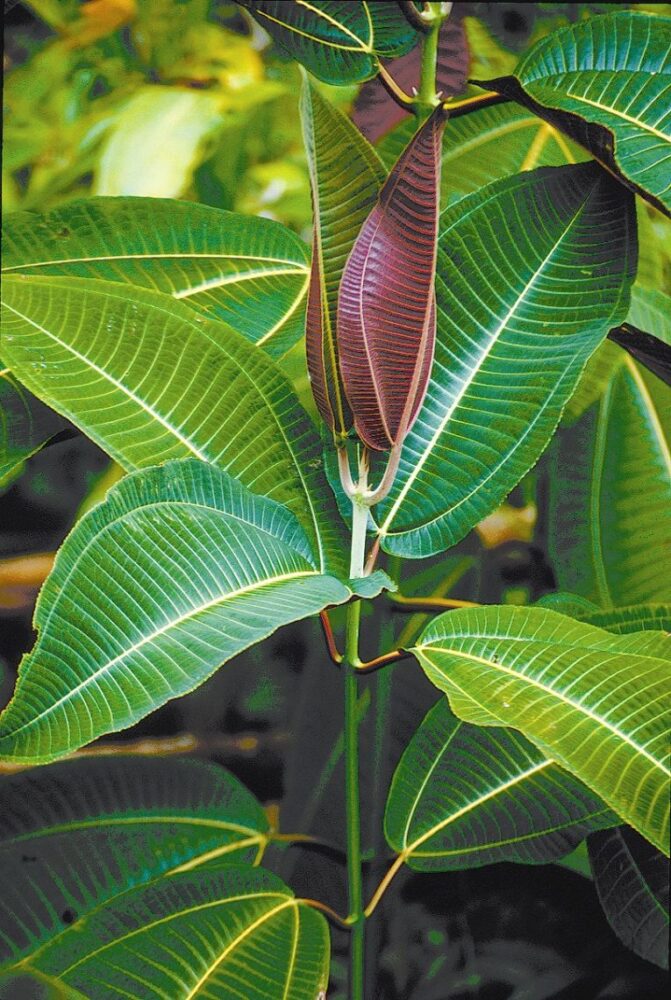
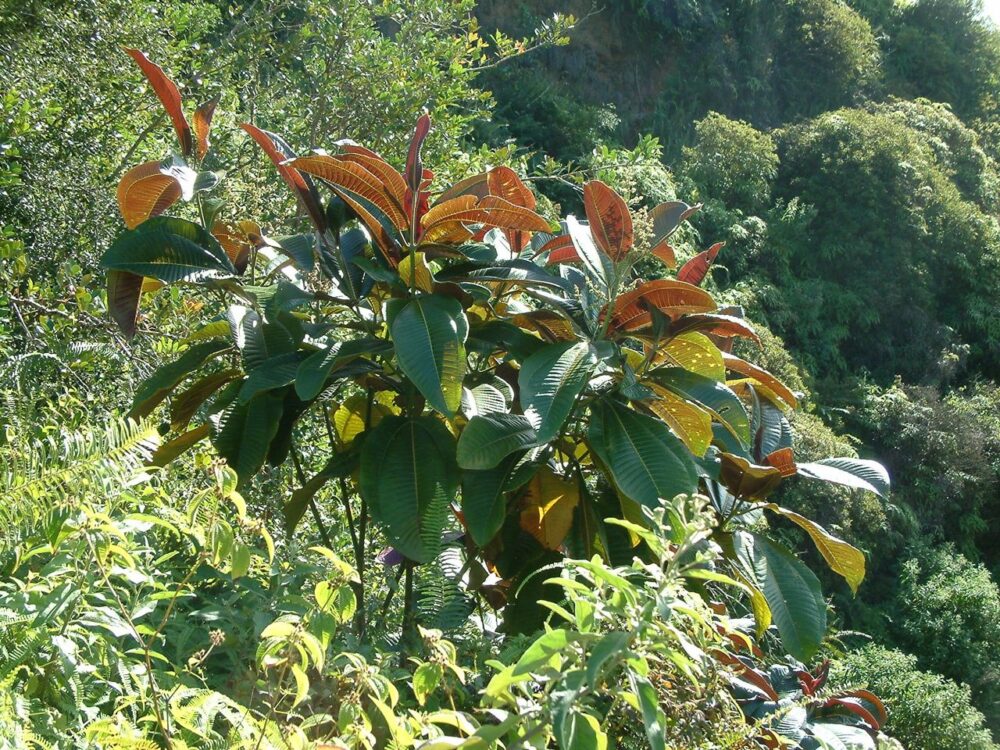
- Large tree growing up to 50 feet tall
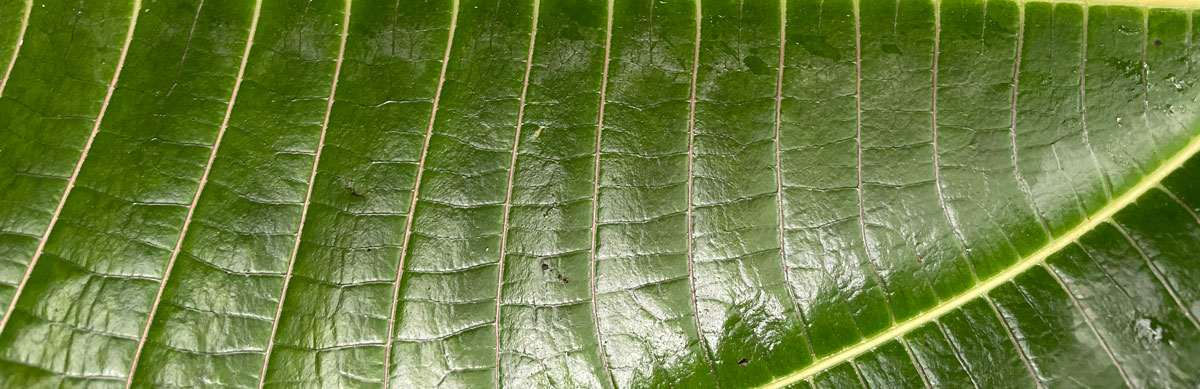
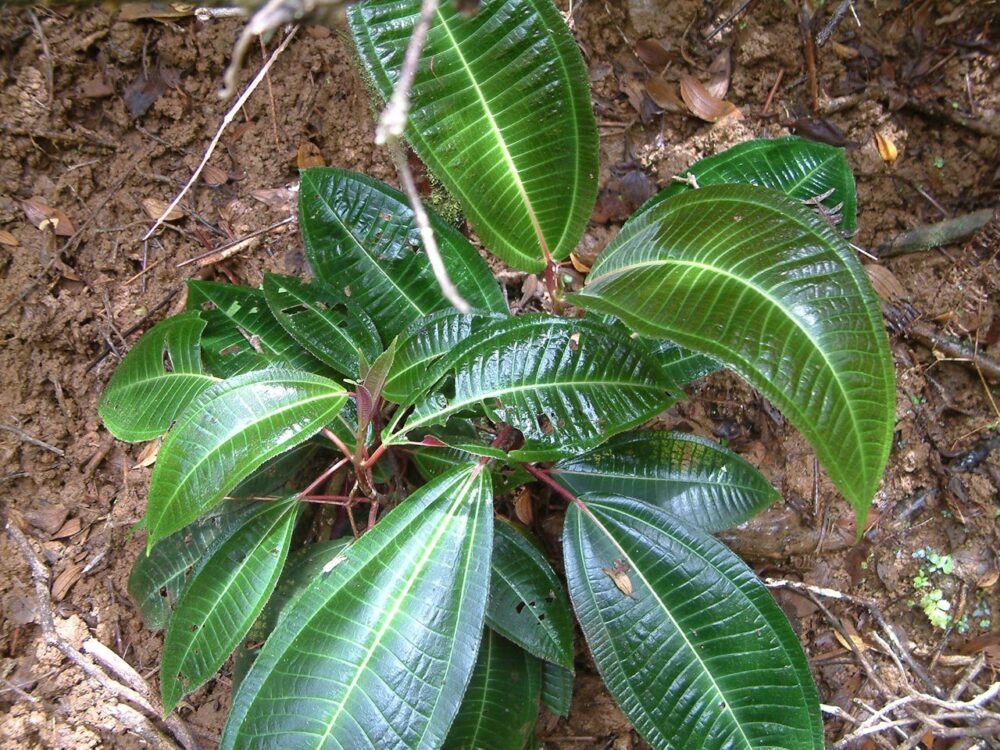
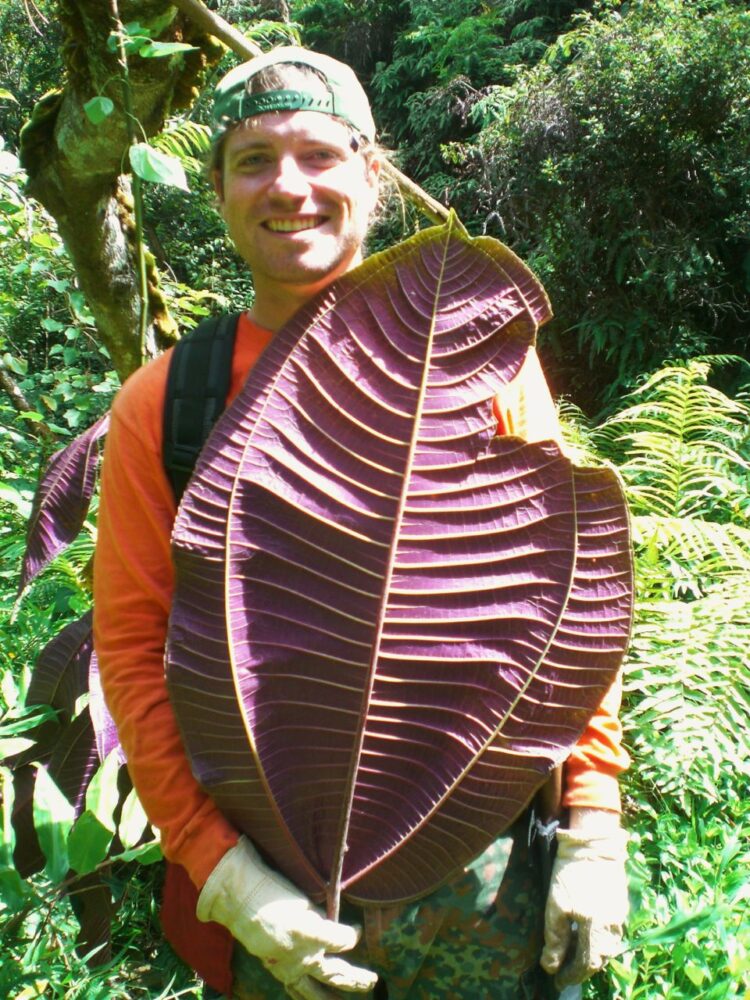
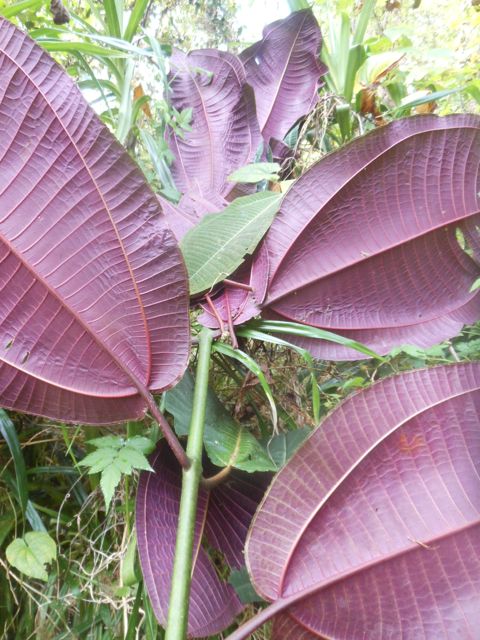
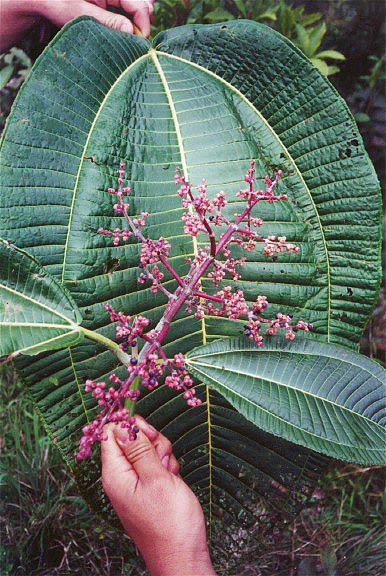
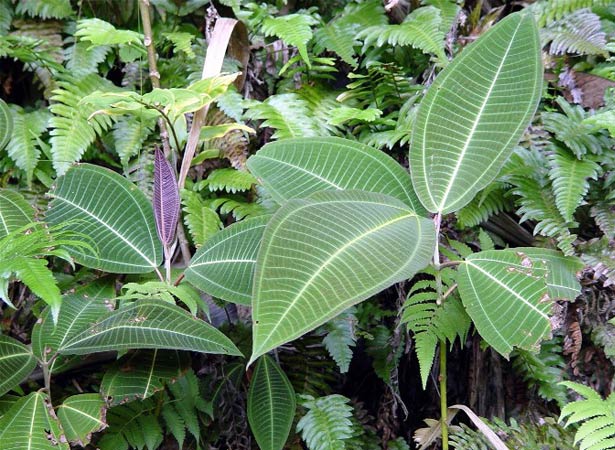
- Large two-foot oval-shaped leaves, dark green on top, purple underneath, with three main midribs running from stem to leaf-tip.
- Native to South and Central America, introduced to Hawaii as a garden plant in 1961 and spread around by plant enthusiasts
Impacts
- Forms thick stands, shades out native plants, preventing future recruitment, and completely takes over moist and wet forest
- Forms an “umbrella” over the watershed, potentially reducing the amount of rainwater that seeps into the watershed.
- Shallow root systems promotes erosion
- Can grow from seed to mature seeding tree within four years. A mature tree can produce about 3 million seeds several times per year. Seeds can remain viable for 16 or more years before sprouting
- Sand-grained sized seeds easily spread by birds and other animals after eating the fruit
- Seeds also spread by people when contaminated dirt or mud sticks to shoes, clothing, equipment, or vehicles
- Introduced to Tahiti in 1937 and has since overwhelmed two-thirds of Tahiti’s forests, and is directly responsible for threatening 25% of their native forest species with extinction
On Kauai
There are three known populations, in Wailua River State Park, Wailua Homesteads, and the Wailua Game Management Area. KISC works with partners to survey for and control all known miconia on Kauai. Land owners and tenants in Wailua Homesteads can allow KISC to survey their property and control miconia.
On the Pono Endorsement Black List. Pono Endorsed Nurseries and Landscapers have agreed to continue to not sale Miconia.
You can plant pono by reporting Miconia to KISC at 808-821-1490 or kisc@hawaii.edu . KISC crew members can remove it from your landscaping free of charge and help identify suitable replacements.
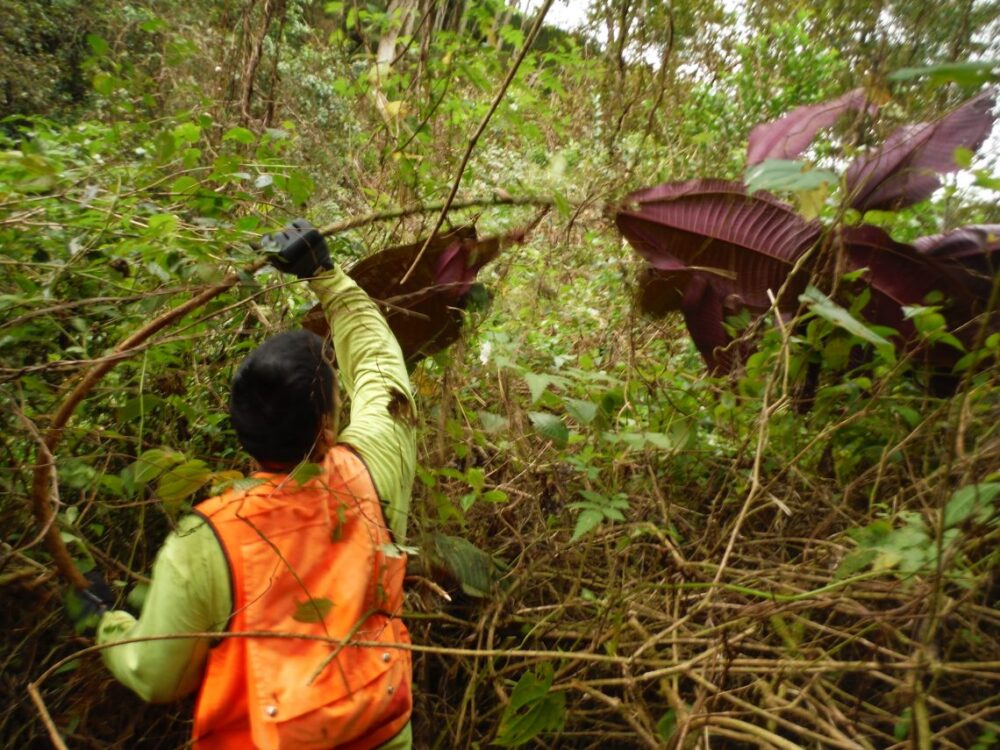
Look-a-likes:
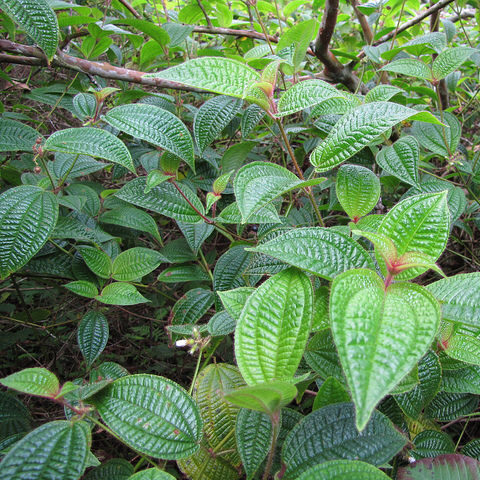
Kosters Curse
Clidemia hirta
This plant is in the same family as Miconia, and is also considered invasive, however it does not cause near the amount of destruction as Miconia. It is visually different from Miconia by having much smaller, solid colored leaves, and only growing up to 3′ tall, as a sprawling shrub. Clidemia also differs by the tiny hairs on the leaves.
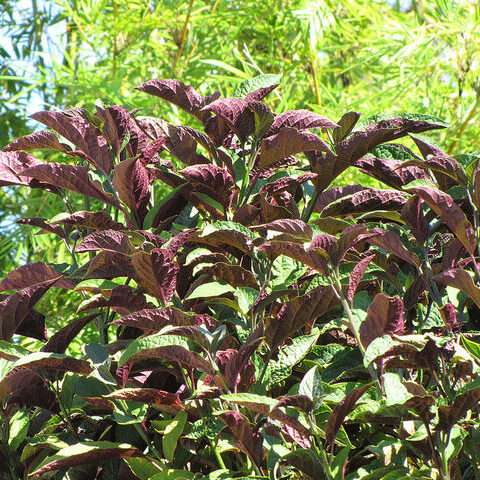
Starburst Bush
Clerodendrum quadriloculare
Common ornamental plant, widely used in landscaping across the island. Like Miconia, it also has purple underside leaves, and green on the top, however it’s leaves are much smaller only growing up to 12″ in length, and has a different vein patter on the leaf.
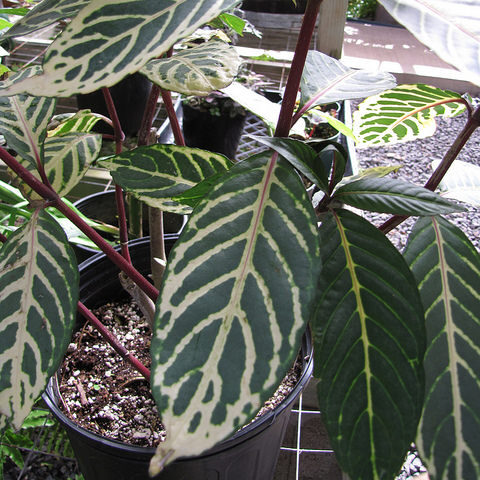
Sanchezia
Sanchezia speciosa
Another common ornamental plant that enjoys shade. It can be mistaken for Miconia because of its similar shaped leaves and the defined white veins, however, Sanchezia’s vein patters is distinctly different from Micona, and the growth shape is more of a small shrub, than a tree.