2026 is scheduled to have a very active hurricane season with an El nino weather pattern. Since 1950, the Hawaiian islands have been hit by 14 hurricanes. Many of those tempests occurred in neutral years with a handful occurring during El Nino years. One of the most devastating hurricanes to impact Kauaʻi was Hurricane Iniki that landed on September 11, 1992.
This storm flattened homes and infrastructure but we rarely talk about the impacts to our landscape that change from natural disasters. In more recent years, major rain events like the 2018 flooding were shown to be a looming emergency exacerbated by invasive species.
3 Invasive species that can contribute to natural disaster issues are Miconia, Albizia, and Little Fire Ants. All of these species pose a significant threat to our environment and daily life especially in terms of a natural disaster like storms.
Miconia is a tree species that was found here over 20 years ago. It was originally discovered in Kokeʻe but was eradicated by KRCP with the help of KISC. It later appeared in the wailua area and has remained a high priority target for KISC to this day. Why is it so invasive? And why should we be concerned about it spreading before a storm?
Micona has remained a priority for KISC because of its ability to proliferate. This tree shades out understory vegetation making it impossible for any other plants to get sunlight and grow around its bases. A monotypic area with only one species is prone to flash flooding and erosion simply because there isn’t anything else in the ground to help hold soil together. Micona pose more of a threat because they grow up to 30 feet and in these monotypic stands, they all have very shallow root systems. This means that when a big rain event unloads inches of water in a short amount of time, anywhere with dense miconia is likely to have a major landslide event. It produces anywhere from 3 to 20 million seeds in one year and those seeds can remain viable for up to 20 years. Shallow roots+ loose soil + massive rain event= a perfect formula for landslide disaster. The efforts of KISC to keep Miconia contained for the last 25 years has helped prevent the spread of this invader from taking over the foothills and cliffs of Wailua. Managing invasive species, if done well, means the general public won’t have to worry about these impacts.
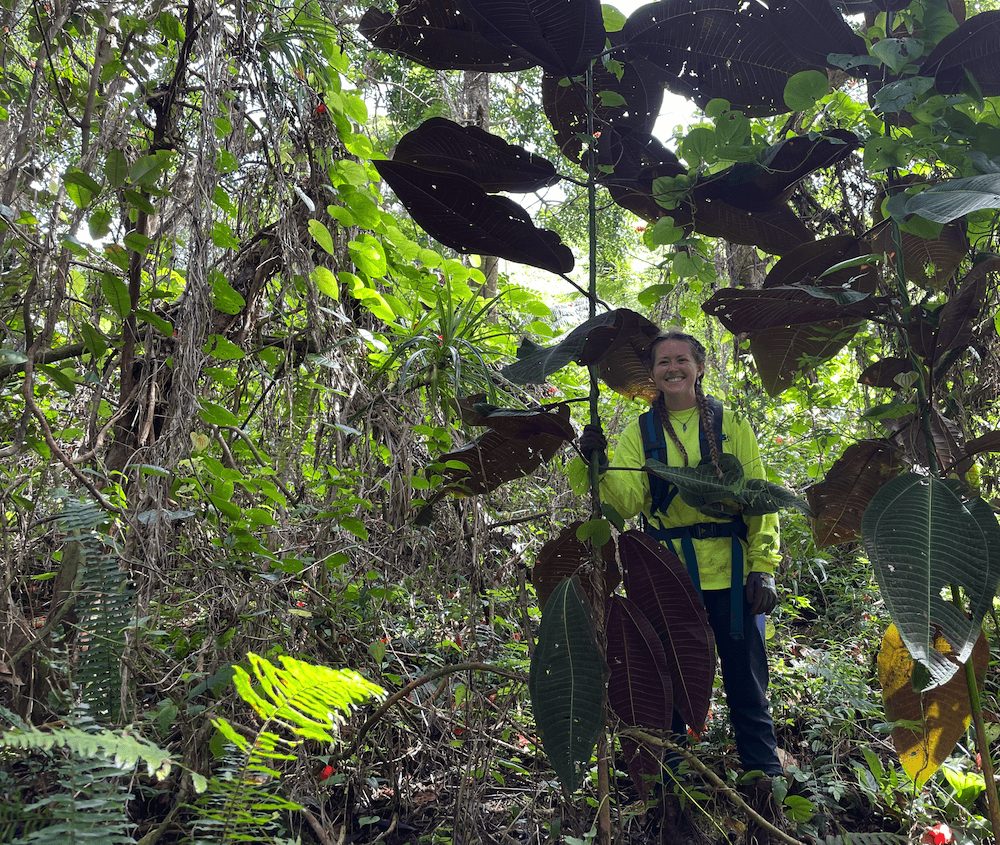
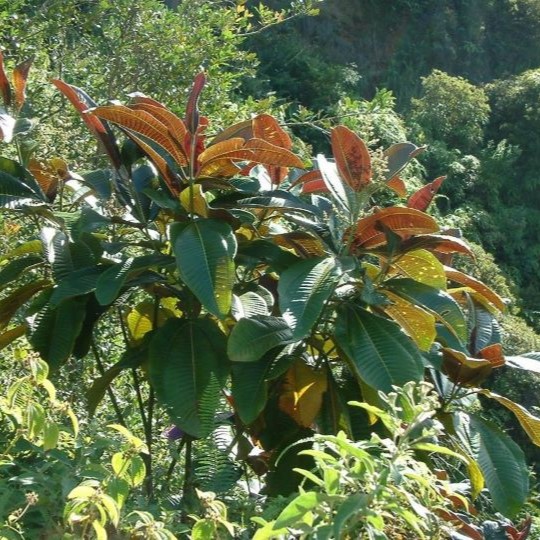
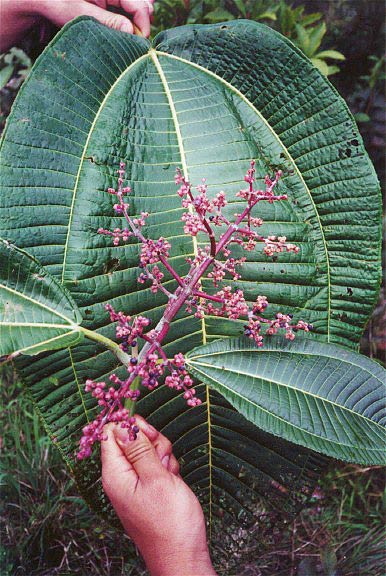
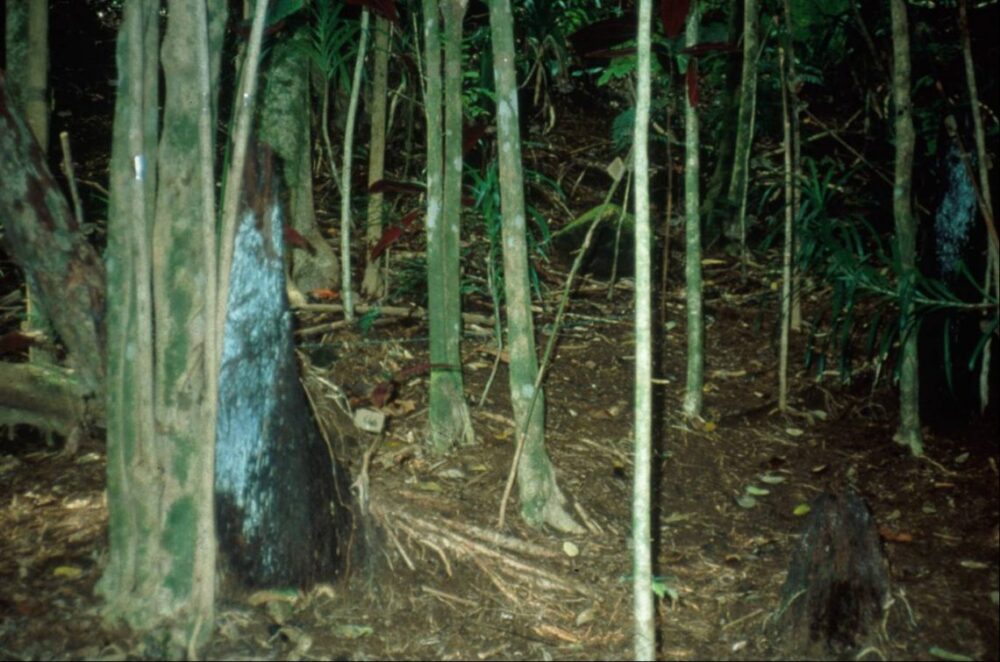
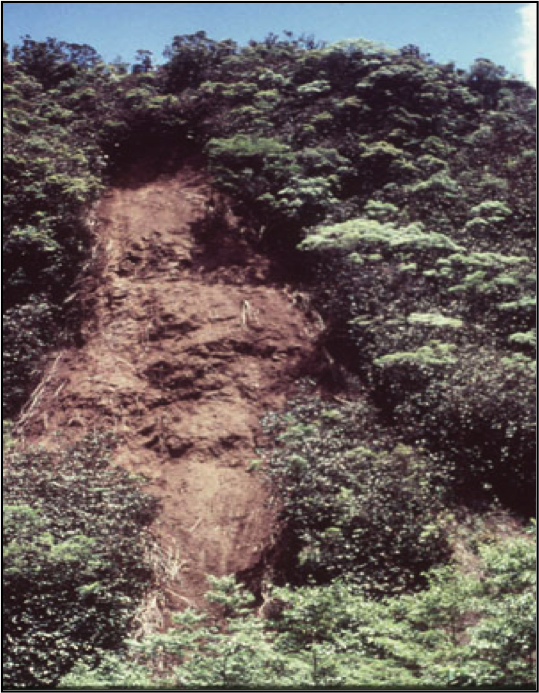
Photo Credit: MISC