Native Species
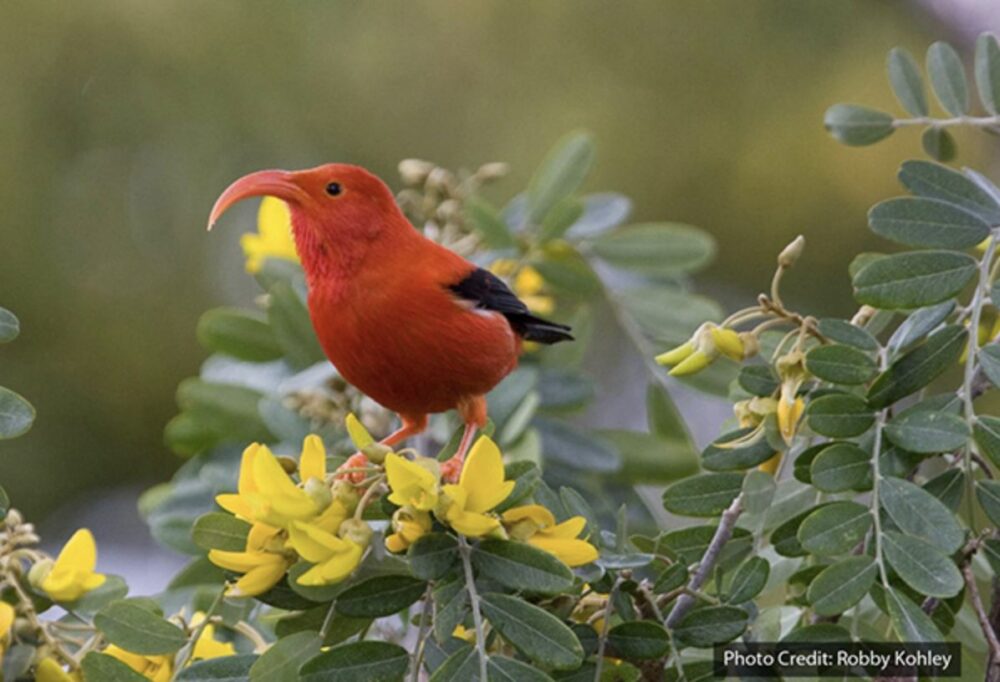
‘i’iwi
The ‘i’iwi is one of the most distinctive birds found on Kaua’i, with bright scarlet feathers, black wings and tail, and long, decurved pink bill. Juvenile birds appear mottled with black and yellow-brown feathers, but the large decurved bill distinguishes ‘i’iwi from all other Hawaiian forest birds.
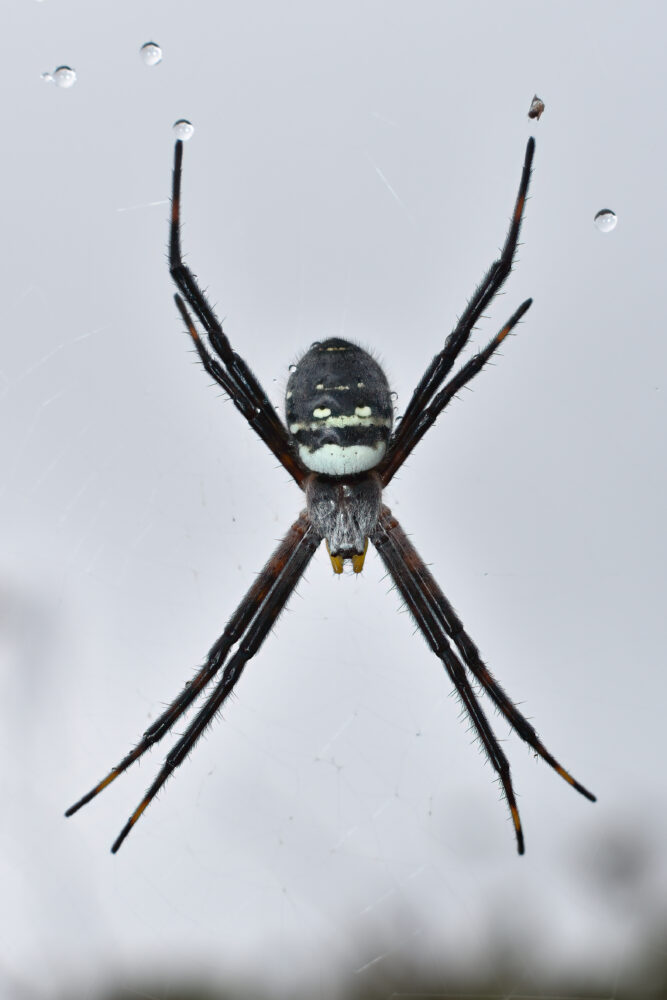
Kauai Spooky Face Spider
Argiope trifasciata Kauaiensis is a subspecies of the common banded garden orb weaver found in most parts of the world. This subspecies is only found in higher elevations on Kaua’i. The males are much smaller and harder to find.
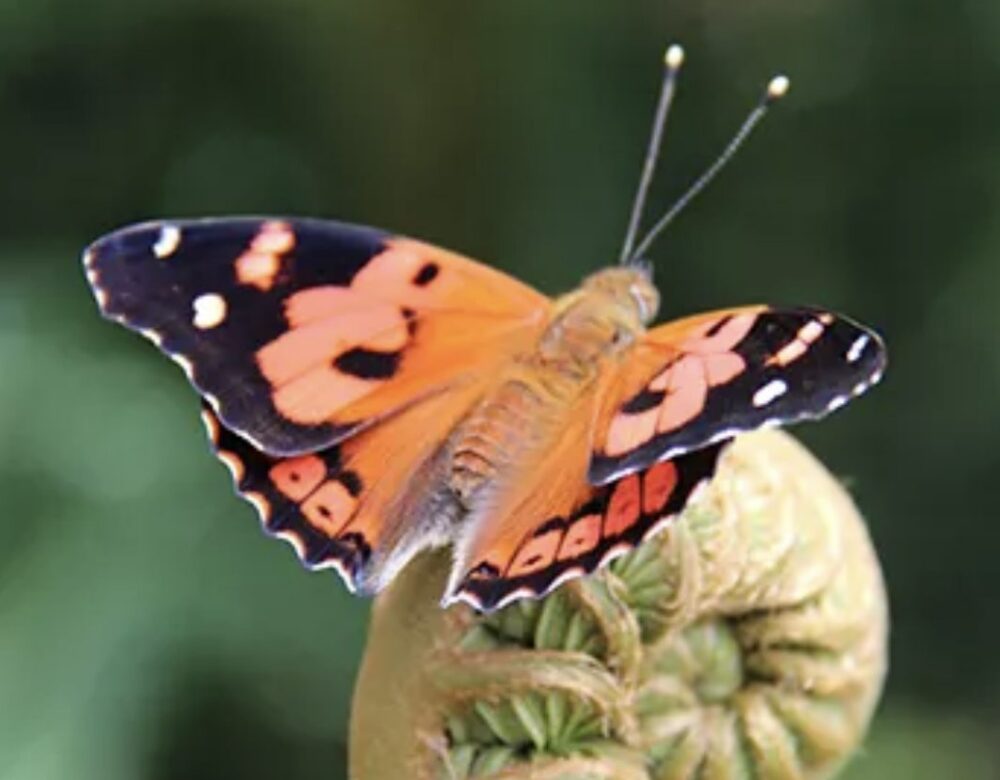
Kamehameha Butterfly
The pulelehua (Kamehameha butterfly) is the official state insect for Hawai’i. Named after the royal family that unified the Hawaiian Islands, it is one of only two butterflies native to the state. The other thirteen species of butterflies in the islands are all non-native.
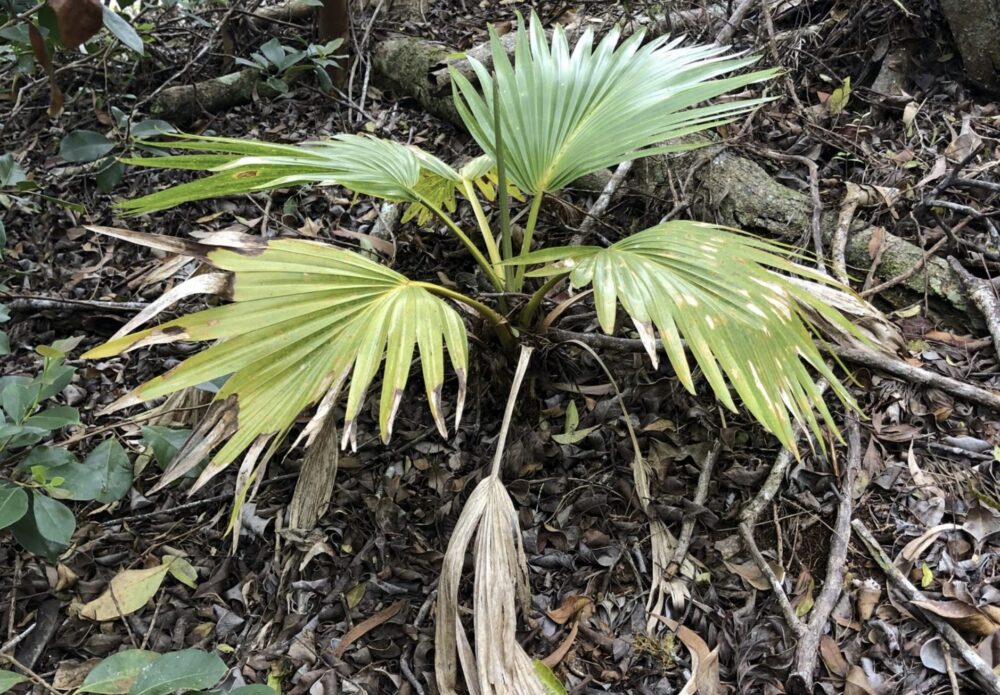
Loulu
Loulu is endemic to Hawaii, O’ahu in particular, and is part of the Arecaceae family. Loulu are single trunked palm trees with fan-shaped leaves. Loulu generally grow to about 30 ft in height.
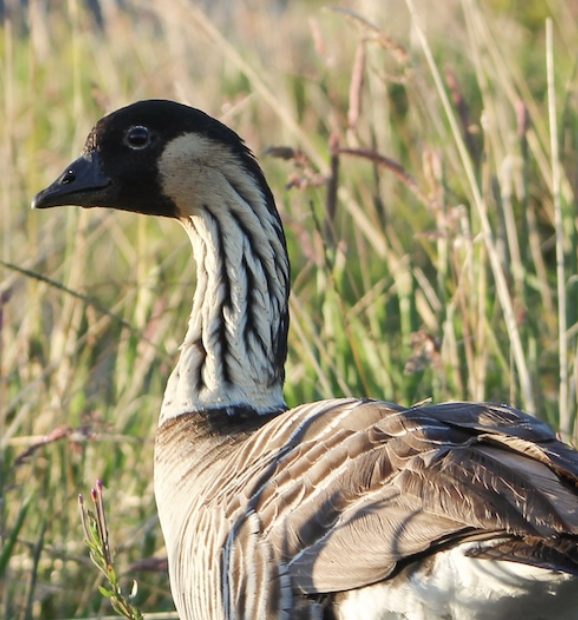
Nēnē
Historically, at least five species of geese occurred in Hawai‘i. Today, only the nēnē, or Hawaiian goose, survives. Compared to other geese, nēnē are more terrestrial and have longer legs and less webbing between their toes, which likely facilitates walking on hardened lava.
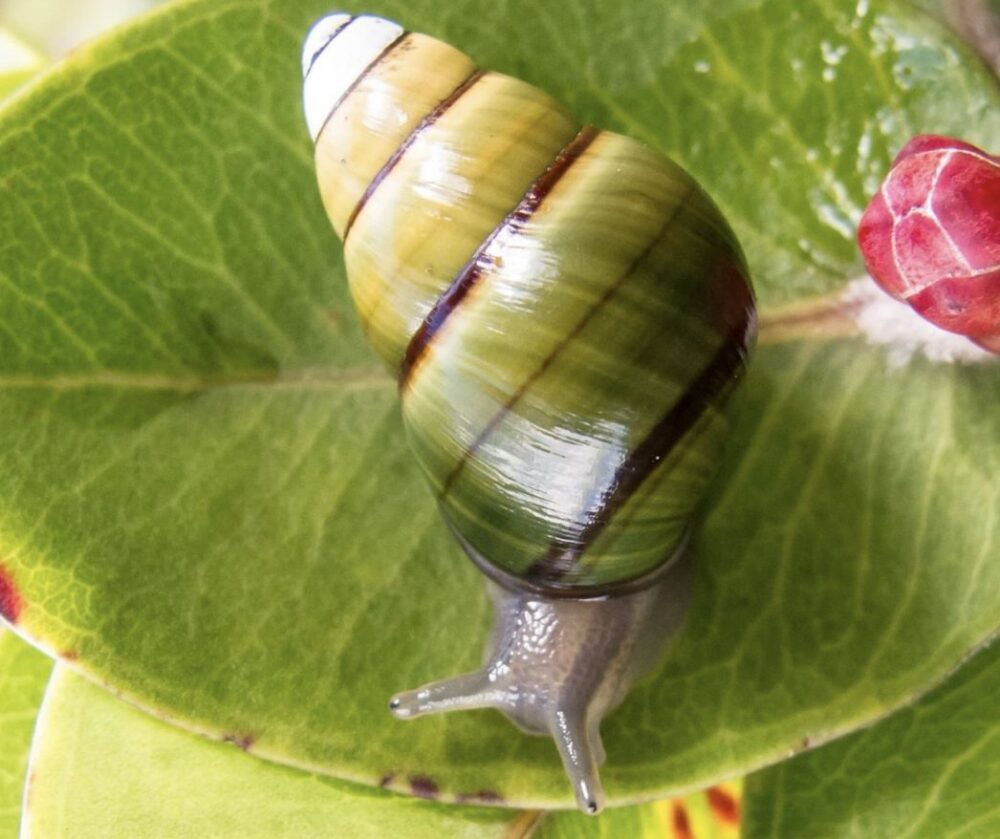
Kāhuli
This ‘ōlelo no‘eau, ke kāhuli leo le‘a o ka nahele, is a saying in Hawai‘i used to compliment a sweet-voiced individual. The kāhuli, pupukanioe, or pololei have long been revered by Hawaiians, often appearing in mele, hula, mo‘olelo, oli, and in this case ‘ōlelo no‘eau.