Featured Species
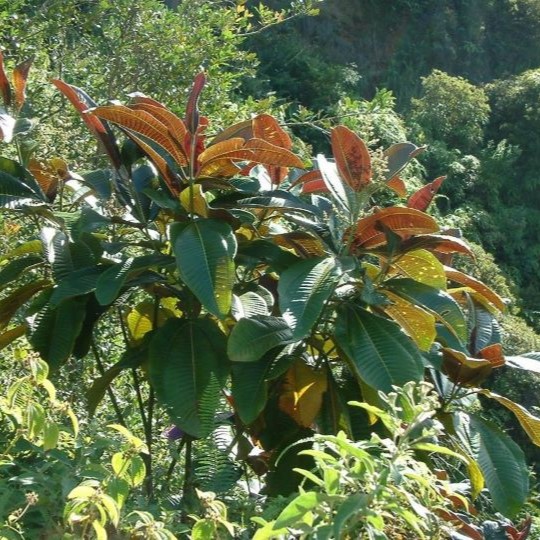
Miconia
This plant is considered extremely invasive and is on the Hawaii State Noxious Weed List. The Division of Forestry and Wildlife of the Hawaii Department of Land and Natural Resources has designated this species as one of Hawaii’s Most Invasive Horticultural Plants. Learn more here
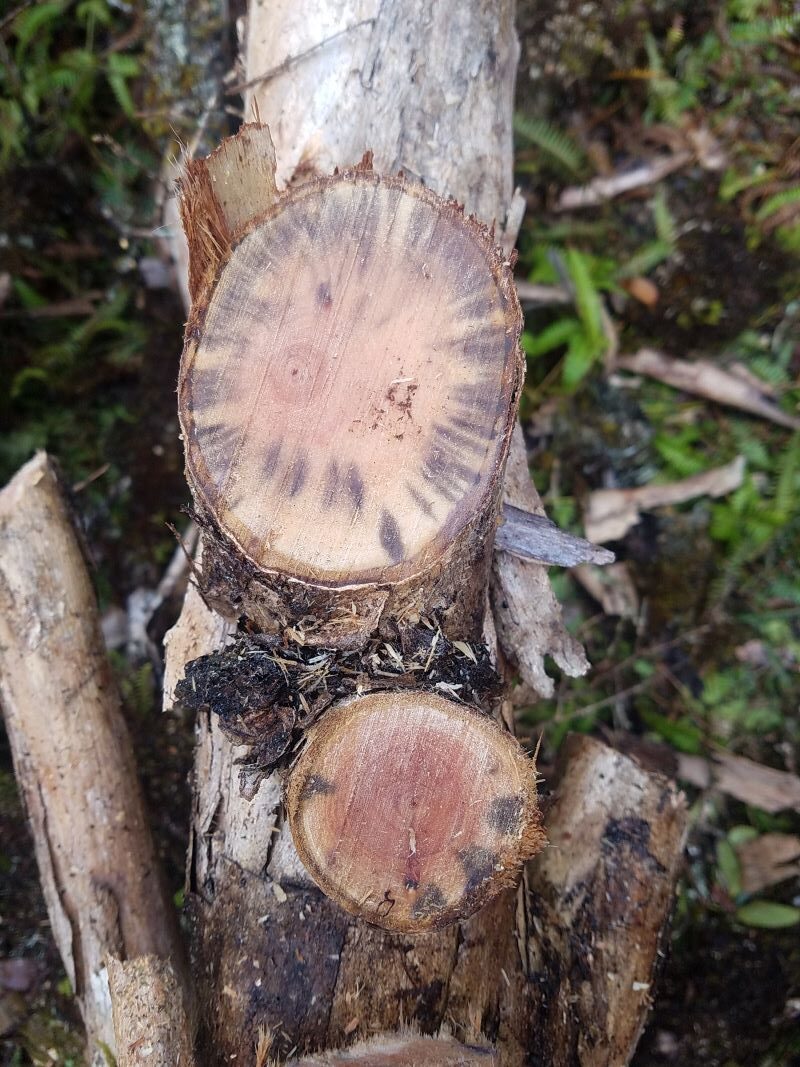
Rapid ʻŌhiʻa Death
ROD is a fungus that attacks ʻŌhiʻa which is a keystone species for Hawaii. This fungus is a huge threat to our native forests as ʻŌhiʻa are foundational for our forest ecosystems. Learn more here
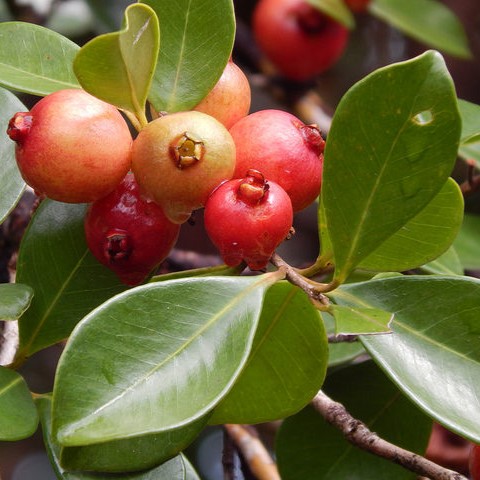
Strawberry Guava
Strawberry guava is considered a serious threat to native ecosystems and to dozens of threatened and endangered species. Its ability to form dense thickets even in relatively undisturbed wet forests
Strawberry guava is among the worst invasive species globally posing a threat to native ecosystems. Learn more here
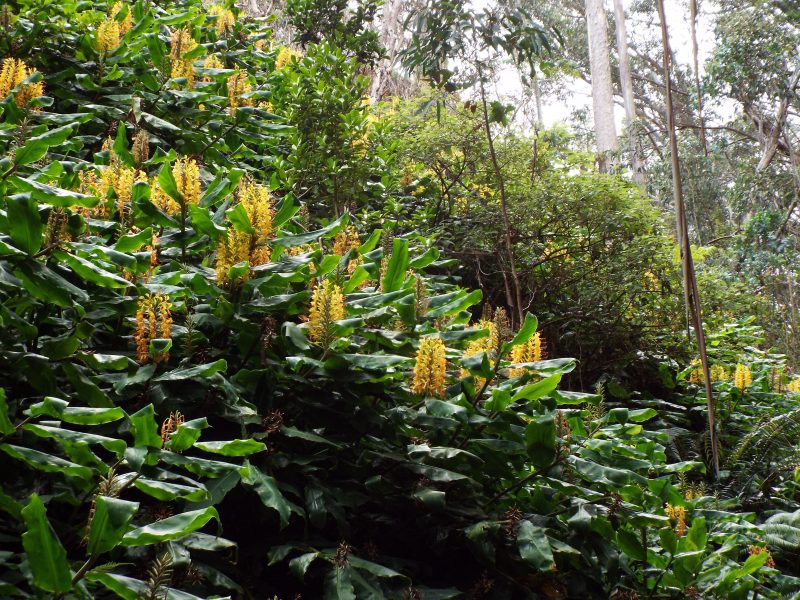
Himalayan Ginger
Himalayan ginger is among the world’s Top 100 Worst Invasive Species. It’s notorious for forming thickets and rhizome mats that dominate forests and outcompete native understory. Native to the eastern Himalayan region, Himalayan ginger is often called ‘kahili ginger’ because its flower stalks resemble a traditional Hawaiian kāhili (feathered staff). However, this plant has no cultural ties to Hawai‘i. Learn more here
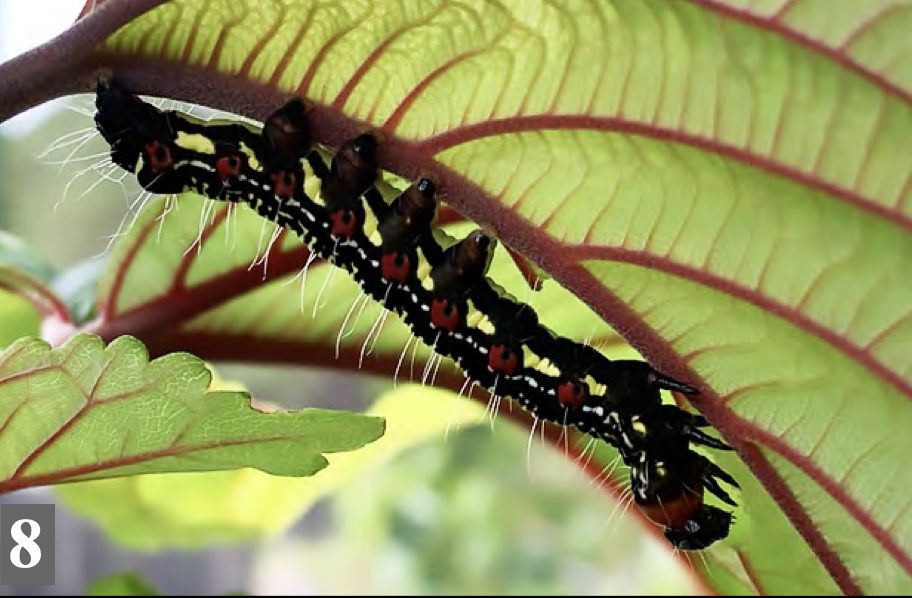
Ramie moth
The ramie moth is a destructive caterpillar that can completely defoliate native māmaki. This caterpillar was first discovered in November 2018 on Maui where it was destroying māmaki plants. Since then, it has spread to the Big Island and was found on the east side in November 2020. Besides harming the māmaki plant, this caterpillar also poses a threat to the native Kamehameha butterfly as it competes for the same food resources.
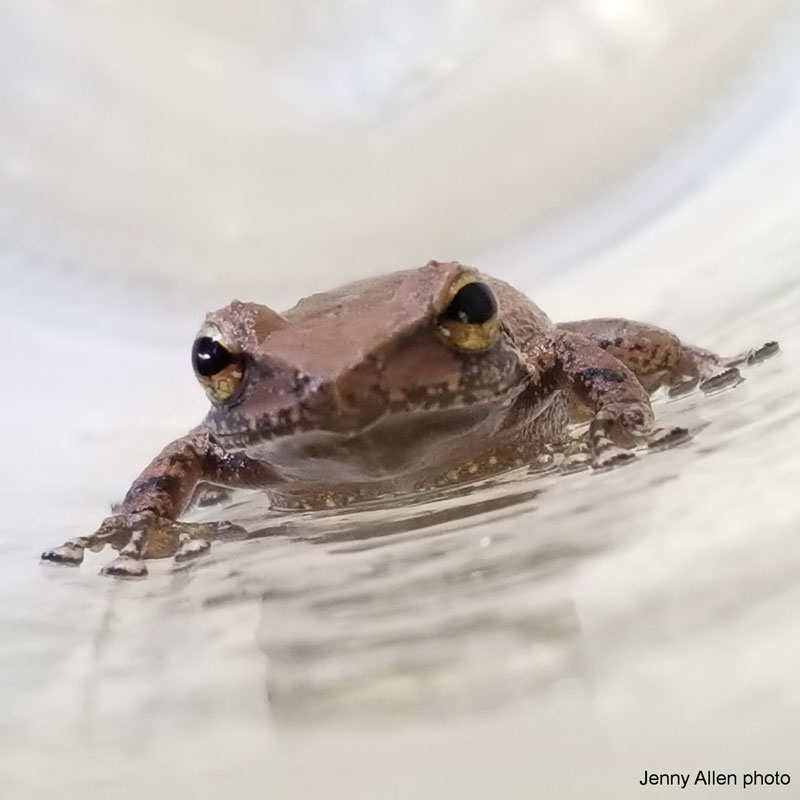
Coqui
IAfter an extensive 10 year, multi-agency effort, coqui frogs were successfully eradicated from Kauaʻi in 2012. Unfortunately, coqui frogs continue to hitchhike here from contaminated areas on other islands. The community has been essential in keeping coqui from re-establishing on Kauaʻi by quickly reporting calling frogs. Learn more here
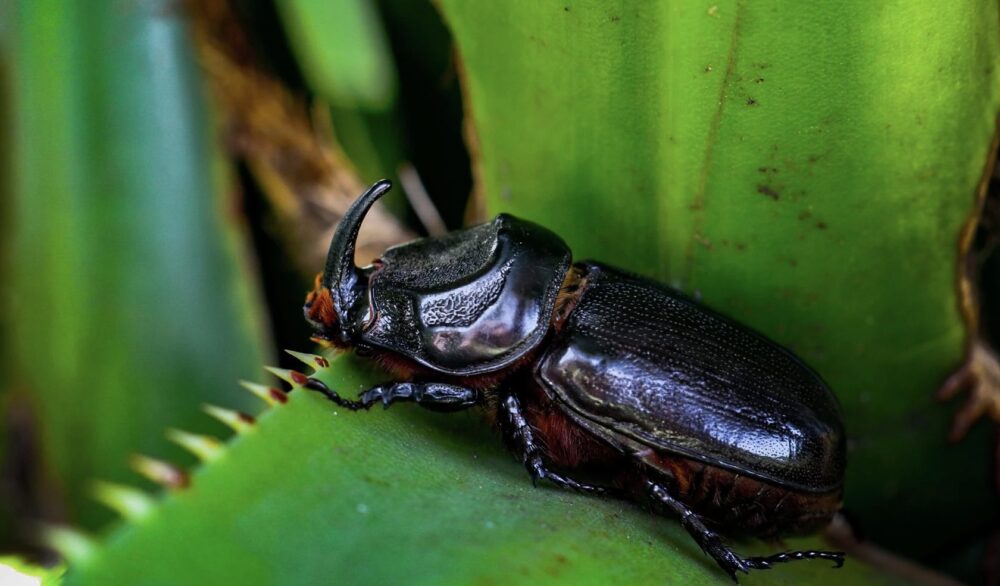
Coconut Rhinoceros Beetle (CRB)
The coconut rhinoceros beetle (CRB), Oryctes rhinoceros, was first detected on Kauaʻi in May 2023. This is the first detection in the State outside of Oʻahu. Adult CRB feed on emerging palm fronds, causing damage that can often be severe enough to kill the plant. CRB populations can have devastating impacts on various palm species that are foundational to cultural heritage, agriculture, ecosystems, and economies, when out of their native range. Learn more here
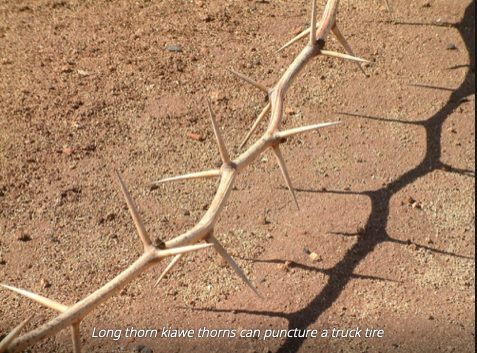
Long Thorn Kiawe
Long thorn kiawe grows as a sprawling shrub, and is armed with 3-inch long toxin-tipped thorns (common kiawe grows into a tree and has thorns that are either absent or less than 1 in long). Learn more here
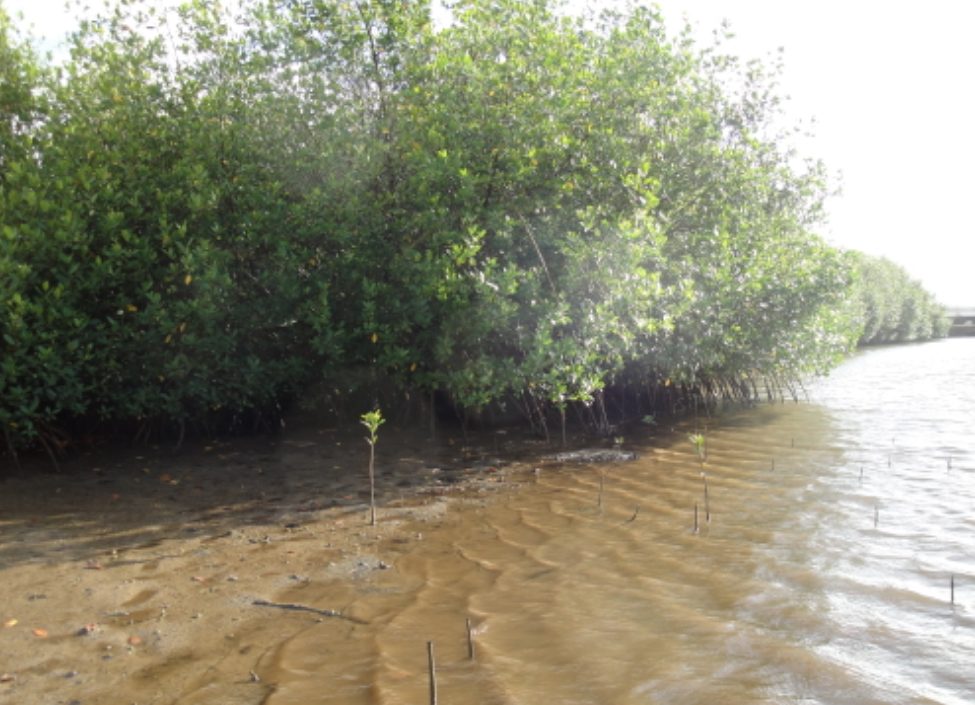
Mangrove
Mangroves in Hawai’i are a highly invasive alien species that contribute to decreased water quality by restricting flow, crowding out native species, and increasing the amounts of organic matter within the water. Learn more here