Aloha ia o Waiʻanae
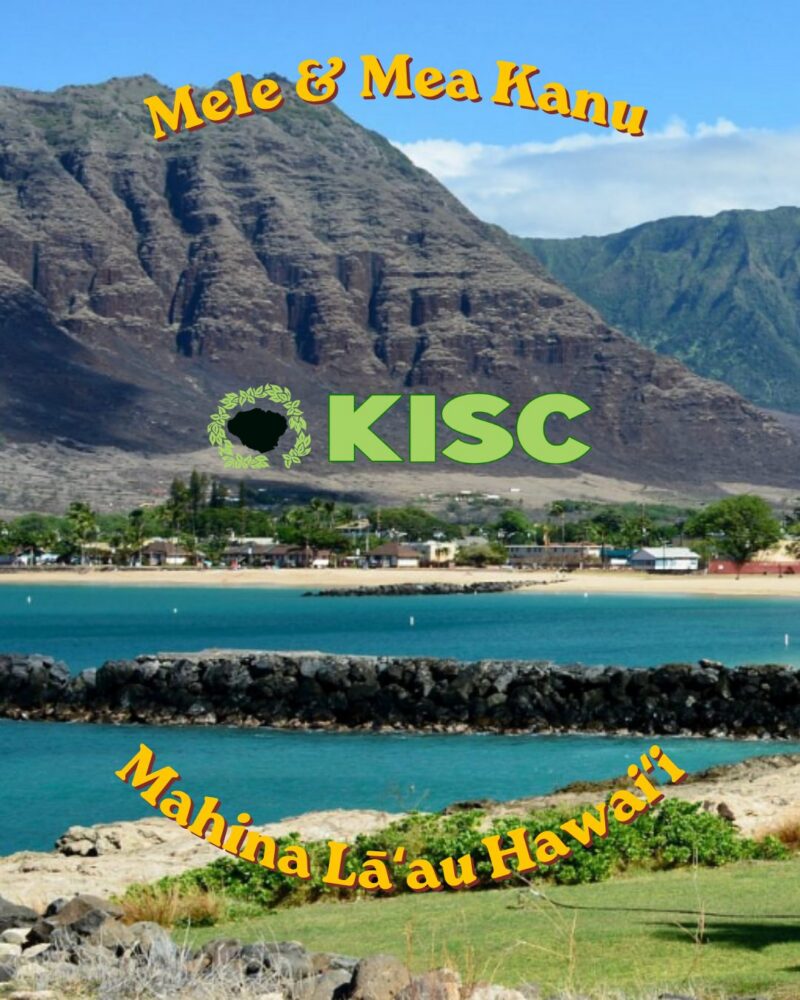
This month, in honor of our Lāʻau Hawaiʻi and Merrie Monarch, Mele often convey feelings deeper than the literal translations. These songs transcend time by transporting us to events of years past and teasing the senses, whether it’s describing a cool breeze or the sweet smell of Maile, mele are magical ways to connect and understand how our Kupuna admired our Lāʻau Hawaiʻi.
This week we highlights a canoe plant, not a native plant but it is a great example of how mele capture perspectives on aina that is changing due to invasive species. Aloha ʻIa ʻO Waiʻanae – by Abigail Pililāʻau & Rachael Kaleiwahea. This mele takes us to the west side of Oahu to famous lands like Pokaʻi Bay and Mount kaʻala. Highlighting the beauty and plants of the area, this mele speaks of the breeze in waianae, and the shade from coconut groves. Pōkaʻī means Pō the night of Ī and was the name of a no longer existing coconut grove in the area of Kamaile, near the present site of Waiʻanae Intermediate School.
Aloha ʻia ʻo Waiʻanae
He malu i ka ulu niu
Ulu niu kaulana ʻo Pōkaʻī
He nani ke ʻike aku
When you enter waianae, you are always usually greeted by the distinctive heat of the west side. In the summer, the sand can be so hot your feet feel like it’s burning. Waianae was once known for its coconut groves that offered shade and respite from the relentless heat. I chose to highlight this mele to also bring attention to the CRB pest that has decimated niu populations all over the west side of Oahu and has since spread to Kauai.
Analyzing mele, singing mele, and writing mele are examples of how we can capture and preserve what landscapes look like and offer a lens on how they can change over time. This mele was published in 1973 according to huapala.org. If we were to go to waianae today the description of the land would have changed drastically as the CRB plague has eaten away at the famous niu of waianae.
CRB are a high priority concern for all of Hawaiʻi. Although their name highlights their primary food source, Niu, they’re not limited to a single Kumulāʻau. These beetles have been reported to attack kalo, ulu, kō, and our native loulu palms. KISC has been mapping CRB captures since 2023 when the species first appeared on Kauaʻi. Since then, there have been detections ranging from Keʻe to Kekaha and many places between. To learn more about the life cycle, management and treatment options, you can check out the CRB training video on our youtube, linked below.
| Aloha ʻia ʻo Waiʻanae He malu i ka ulu niu Ulu niu kaulana ʻo Pōkaʻī He nani ke ʻike aku Kū kilakila Kaʻala Kuahiwi kau i ka hano Uluwehi i ka maile lau liʻiliʻi He ʻala huʻihuʻi ē Pā ana ka makani he Kaiāulu He aheahe mālie Puīa i ke ʻala o ka ʻawapuhi He pua ʻala onaona Haʻina mai ka puana ʻO Waiʻanae kuʻu home Home i aloha ʻia e mākou Home poina ʻole | Love for Waiʻanae The peaceful shady Famous coconut grove of Pōkaʻī Bay I see the beauty Majestic Kaʻala The glorious mountain Where the small leaf maile grows in profusion With its penetrating fragrance The wind named Kaiāulu Blows gently Brings the fragrance of ginger The sweet smelling flower Tell the refrain Of my home at Waiʻanae The home that we love The unforgettable home |
Lyrics from Huapala.com