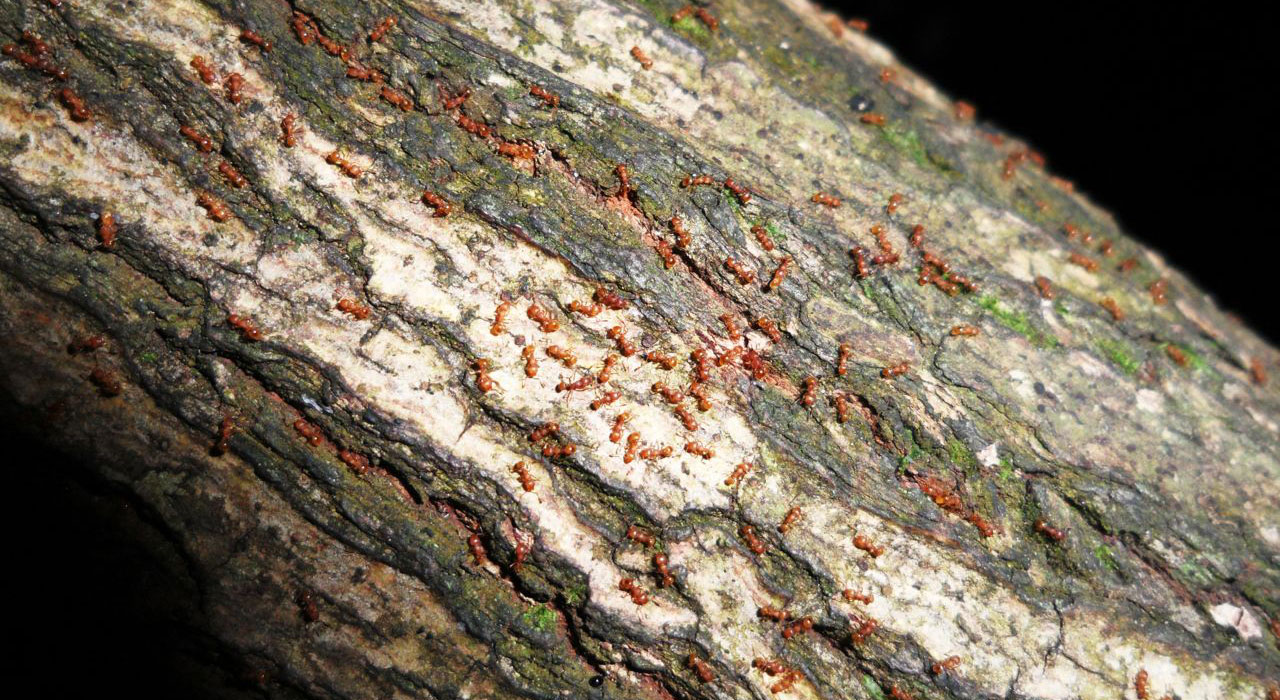
Little Fire Ant
REPORT IF SEEN: This species is currently controlled by KISC, if you see it please report it.
Little Fire Ant
Species: Wasmannia auropunctata
KISC is actively controlling this species. Sightings of this pest should be reported immediately. If you suspect that you have any of our targets on your property, KISC will survey and if confirmed, will remove it for free.

Description
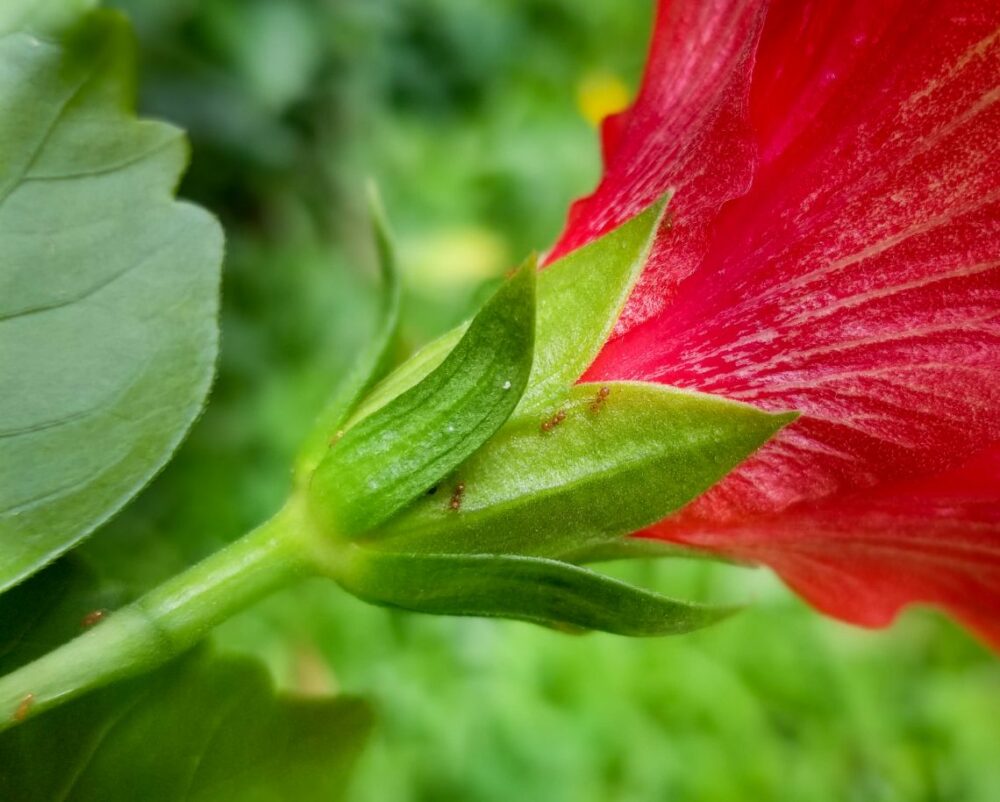
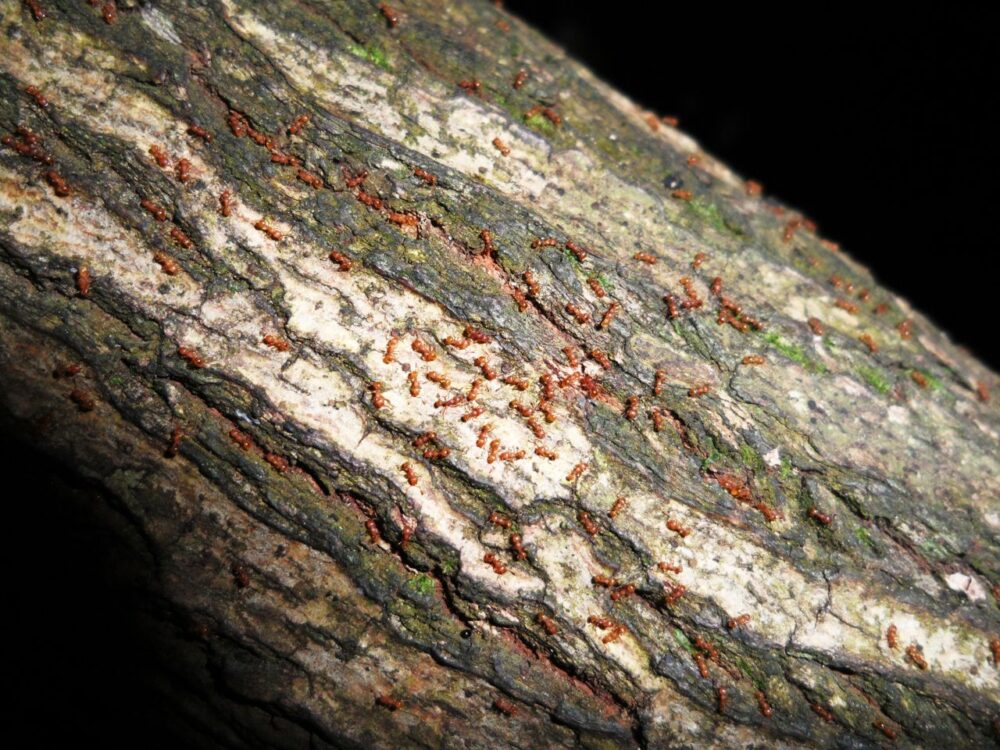
- This ant is orange-red to light brown in color, all workers are 1.5 mm in length (half the size of a sesame seed, or as long as a penny is thick, about 1/16 “)
- Slow-moving, easily dislodged from leaves, plants, and trees
- Native to Central and South America, LFA were accidentally introduced as hitchhikers on imported plants
Impacts
- Delivers a painful sting when disturbed. Welts can last for weeks
- Infests agricultural fields and farms, where they damage crops and sting workers
- Promotes plant pests such as aphids, white flies and scale insects, which secrete plant sap that the ants eat. In turn, the ants protect these insects from natural predators and parasites.
- Can also infest houses, beds, furniture and food
- Has been known to cause corneal clouding and blindness in pets
- In the Galapagos, LFA eat tortoise hatchlings and attacks the eyes of adult tortoises
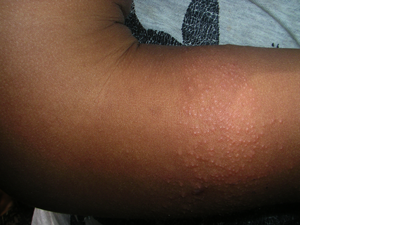
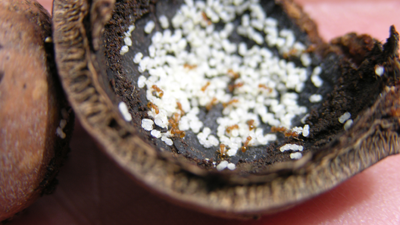
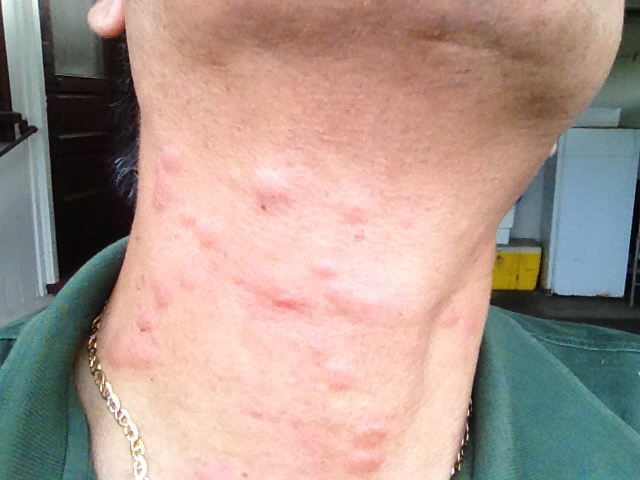

On Kauai
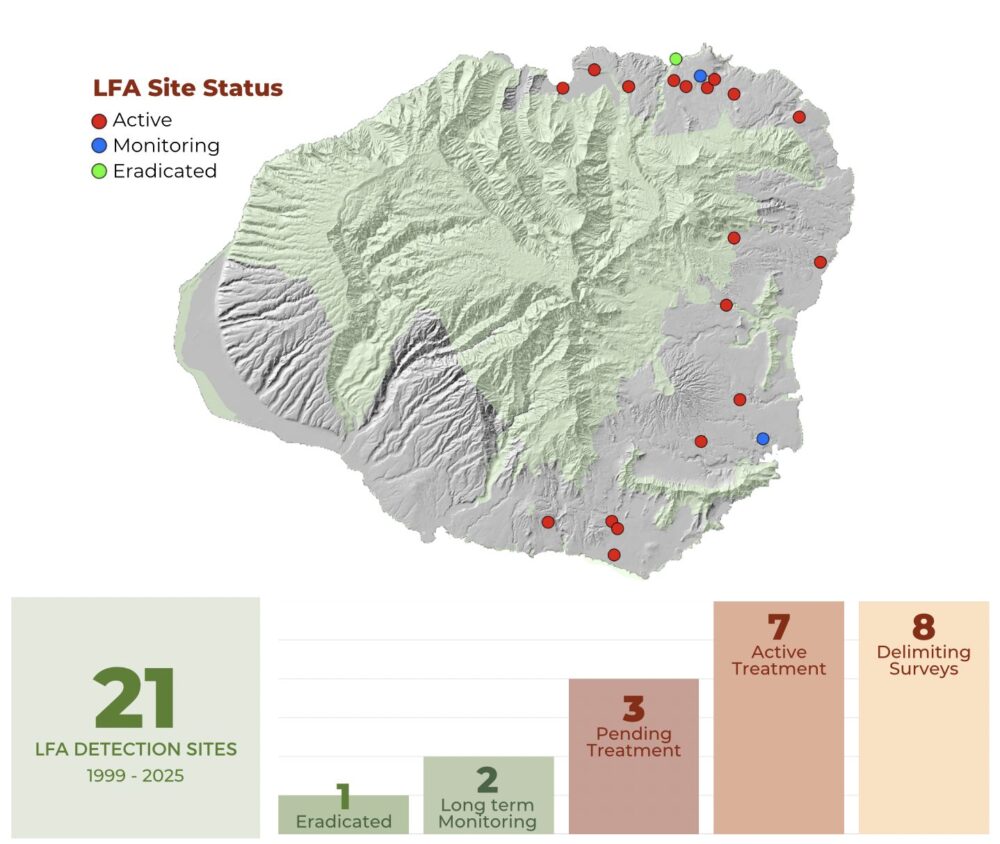
- LFA were first detected in the Kalihiwai area in 1999. HDOA, KISC, and the Hawaii Ant Lab’s multiyear eradication efforts have proved promising with the last little fire ant detected at the site in January 2019.
- Kauai’s second known LFA population was detected in the Kilauea area in 2019. Treatment has been effective with the last LFA detected in March 2020
- In 2021, an LFA population was detected in the Moloaa area. Treatment is underway.
- In 2022, two new populations were been detected in Wailua and Koloa/Omao. Delimiting surveys are underway to determine the population size and perimeter.
- The Pono Endorsement program promotes Best Management Practices to help stop the introduction or spread of LFA. Pono Endorsed Nurseries and Landscapers are doing their part to another introduction of LFA by adopting pono business practices that help keep LFA from hitchhiking to Kauai.
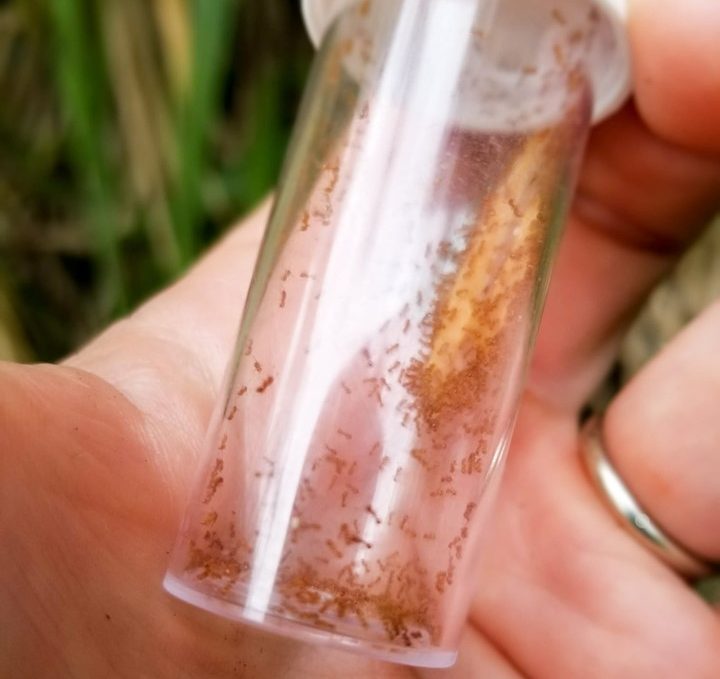
- You can help plant pono by reporting Testing for LFA and reporting LFA to KISC at 808-821-1490 or kisc@hawaii.edu or HDOA at 643-PEST. Report any suspected Little Fire Ants immediately!
Look-a-likes:
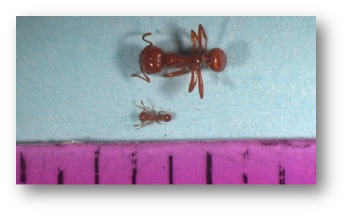
Little Fire Ant, less than 1/16″ long (Bottom)
Photo: USDA
Tropical Fire Ant
Solenopsis geminata
The Tropical Fire Ant, is very commonly mistaken as the Little Fire Ant. If you’ve been stung by an ant on Kauai, it was most likely a Tropical Fire Ant. Tropical Fire Ants are widespread on Kauai, mostly found on the South and West sides. Their habits are far different from those of the Little Fire Ant, in that they build mounds on the ground, are fast moving, swarm, and most distinguishable, are much bigger than the Little Fire Ant.
Test for LFA in your backyard:
(For a 3-minute video on how to sample, visit stoptheant.org/report-little-fire-ants)
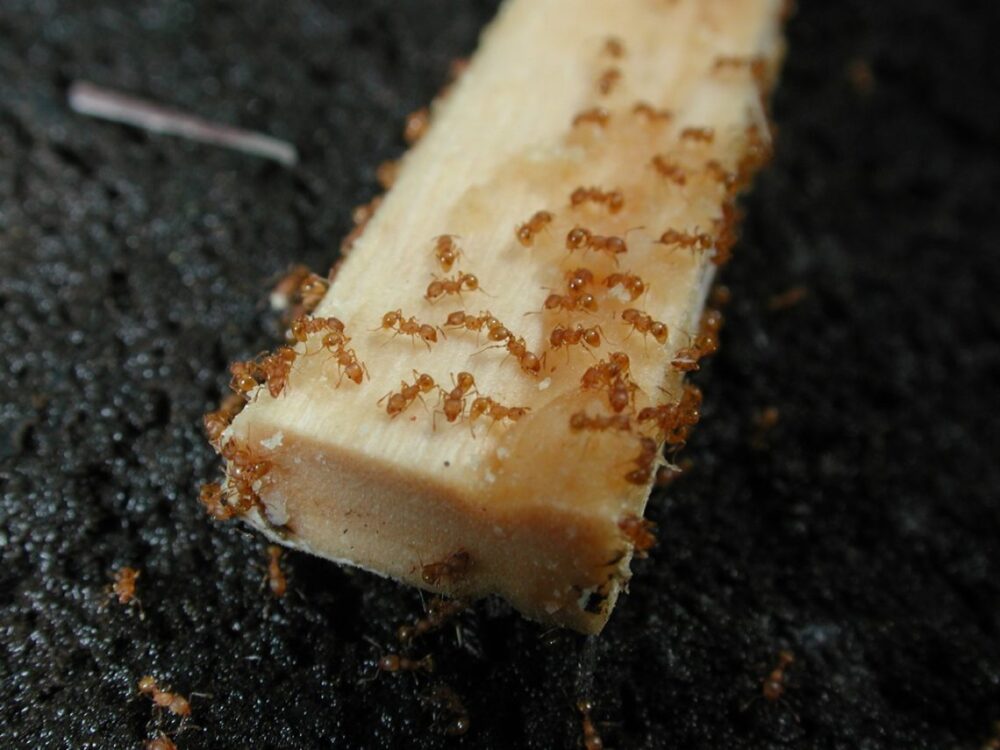
Testing is as easy as peanut butter on a stick:
- Use a wooden chopstick or stir stick and dip in peanut butter
- Place peanut butter dipped sticks around yard in shady areas
- Leave sticks out for at least 1 hour
- Collect sticks and place in plastic bag
- Freeze bag for 24 hours
- Write your name, location, and phone number on bag, and mail or drop off bag to HDOA or KISC office
- HODA: 4398 A Pua Loke St, Lihue
- KISC: 7370 #K Kuamoo Rd, Kapaa
- LFA have a few look-a-likes:
Kaua’i Locations where Free LFA Test Kits are available:
Free test kits can be found at any of our local libraries (Princeville, Kapaa, Lihue, Koloa, Hanapepe, and Waimea). LFA test kits are also available at:
- HDOA office on Pua Loke in Lihue
- KISC office, 7370 Kuamoo Rd, Wailua. Call us at 808-821-1490 or email kisc@hawaii.edu
- Alternatively, you can easily test for LFA using materials already available at home: all you need is some chopsticks, peanut butter, and a ziplock bag. Visit stoptheant.org for instructions and a short video on how to test.
*Farmers and large land owners, please contact KISC for larger survey kits
Pest Alerts and Publications:
- Little Fire Ant Brochure
- Invasion-Little Fire Ants in Hawaii (7.5 min. video)
- New detection on Kauai (info on the October 2019 Kaua’i detection)